
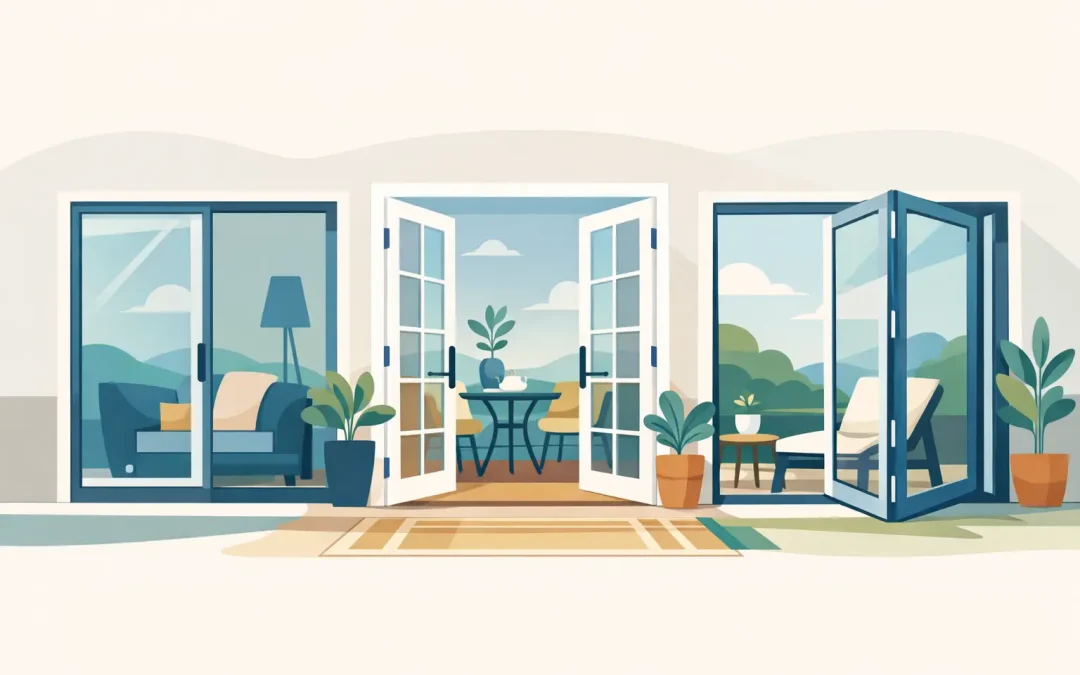
A tight kitchen extension, a compact conservatory, or a small dining room opening onto the garden can quickly feel cramped if the wrong door is fitted. That is why choosing the right patio doors for small spaces matters more than many homeowners expect. The right design can make a room feel brighter, easier to use and more open, while the wrong one can eat into valuable floor area and leave the whole layout awkward.
For smaller homes and extensions across Leicestershire, this usually comes down to making every inch work harder. You want easy access to the garden, plenty of natural light and a secure, weather-resistant door, but you also need something that suits the size of the room. A large opening sounds appealing on paper, yet in practice, the best option often depends on how you use the space day to day.
What makes patio doors work in small spaces?
In a compact room, door swing and furniture placement are often the first issues to think about. Traditional French doors can look smart, but because they open inwards or outwards, they need clear space around them. In a small kitchen-diner or snug garden room, that can limit where you put a table, sofa or storage.
Patio doors that slide rather than swing are often a better fit. They let you keep floor space free and create a clean line to the outside without forcing you to design the whole room around the door opening. That said, sliding doors are not automatically the right answer in every property. The width of the opening, the wall space available and the style of the house all play a part.
Natural light is another big factor. Small rooms benefit from as much glass as practical because it helps the space feel less boxed in. Slimmer frames and larger glazed panels can make a noticeable difference, especially in rear extensions and older homes where the original layout may already feel tight.
The best patio doors for small spaces
For most compact rooms, sliding patio doors are the most practical choice. They do not project into the room or out onto the patio, so they keep circulation areas clear. If you have a narrow dining area or a modest extension, that can make everyday living much easier.
They also create a wide glazed area without making the room feel overfitted. A simple two-panel sliding door works well in many homes because it gives you a generous view of the garden while keeping the frame design neat and straightforward. If your priority is bringing in more daylight and making the room feel larger, this style usually performs well.
French doors still have their place, particularly if you prefer a more traditional look. In some period properties or cottage-style homes, they can suit the character of the house better than a large sliding unit. The trade-off is space. You need to be realistic about whether the door leaves will clash with furniture, radiators or outdoor seating.
Bifold doors are often mentioned for small extensions, but they are not always the best match. They can look impressive, yet the stacked panels need space when opened, and in a modest room that can feel a bit heavy visually. For some homeowners, a well-made sliding patio door gives a cleaner result with less compromise.
Choosing the right size and layout
A common mistake is assuming bigger is always better. In small spaces, an oversized door can throw the room out of balance, especially if it removes too much usable wall area. You may gain glass, but lose practical space for cupboards, furniture or heating.
The better approach is to think about how the opening works with the room. If the space is long and narrow, a wider door may help pull the eye towards the garden and make the room feel less enclosed. If the room is small on all sides, a more modest opening with good proportions can look smarter and function better.
Threshold detail matters as well. A low threshold can make the transition to the garden feel more open and is especially useful for families, older homeowners or anyone wanting easier access. It also helps create a smoother visual line, which can make compact spaces feel less broken up.
Light, warmth and energy efficiency
Smaller rooms can become uncomfortable quickly if glazing is poor quality. Too much heat loss in winter or overheating in summer can make the space harder to enjoy, so energy efficiency should be part of the decision from the start.
Modern uPVC patio doors with double glazing are a reliable option for many homes because they offer good insulation, straightforward maintenance and competitive value. They are well suited to homeowners who want a practical upgrade without unnecessary fuss. Good quality glazing also helps reduce draughts and external noise, which is useful if your property backs onto a road or a busier residential area.
Frame colour and finish can influence the feel of the room too. White remains popular because it keeps the look bright and clean, but anthracite grey and other modern finishes can work well if the rest of the property has a more contemporary style. In a small room, the aim is usually to keep the overall look simple rather than too busy.
Security should never be an afterthought
When homeowners think about patio doors for small spaces, they often focus first on saving room or bringing in more light. Security matters just as much. Rear access points need strong locking systems, tough glazing and solid installation to perform properly.
A well-fitted patio door should feel secure, close smoothly and stand up to regular use without sticking or dropping. This is one reason professional measuring and installation are so important. Even the best-made door will not do its job properly if it has been poorly fitted.
For family homes, this reassurance counts. You want a door that looks good and works well, but also one that protects the property and gives you confidence when the weather turns or when the house is left empty.
Matching the door to the outside space
Small internal rooms often lead onto compact patios, side returns or modest gardens. That outdoor layout should influence your choice. If the outside area is also tight, outward-opening doors may become awkward, especially where there is limited space for seating, bins or planting.
Sliding doors usually make more sense in these settings because they leave the patio usable. You do not have to work around open door leaves, and the area feels less cluttered. If you are trying to get more use out of a smaller garden or courtyard, that can be a real benefit.
Sightlines are worth considering too. A large glazed panel can help connect the inside and outside, making both spaces feel larger. Even when the garden is not big, a better view can improve how the room feels throughout the year.
Why made-to-measure matters
Off-the-shelf solutions are not always the best answer for compact openings. Smaller spaces are less forgiving, so a door that is slightly wrong in proportion or fit can stand out quickly. Made-to-measure patio doors allow you to get the balance right between glass area, frame width and practical access.
This is especially important in older properties, where openings are not always perfectly standard. A tailored installation gives a cleaner finish and usually avoids the patch-up look that can happen when a generic product is forced to fit.
For homeowners who want a job done properly, working with an experienced local installer makes a difference. A company such as Supreme Home Improvements understands the practical side of fitting doors into real homes, not just ideal showroom spaces. That local, hands-on approach often leads to better advice and a better end result.
A few common mistakes to avoid
The biggest mistake is choosing on appearance alone. A door might look excellent in a brochure, but if it interrupts furniture layout, blocks movement or feels oversized for the room, it will soon become frustrating.
Another issue is underestimating frame quality and installation. In smaller spaces, any draught, stiffness or misalignment becomes more noticeable because the room is used closely and often. Spending a little more on solid materials and proper fitting can save trouble later.
It is also worth thinking beyond the room itself. The door should suit the style of the house, the garden access, and how you live. If you use the outside space regularly for family meals, children or pets, the most practical opening style may be different from the one you would choose based on looks alone.
The best patio door for a small space is usually the one that feels easy every single day. If it brings in light, saves room, keeps the house secure and suits the property, it is doing its job properly – and that is what makes a home improvement worth the money.