
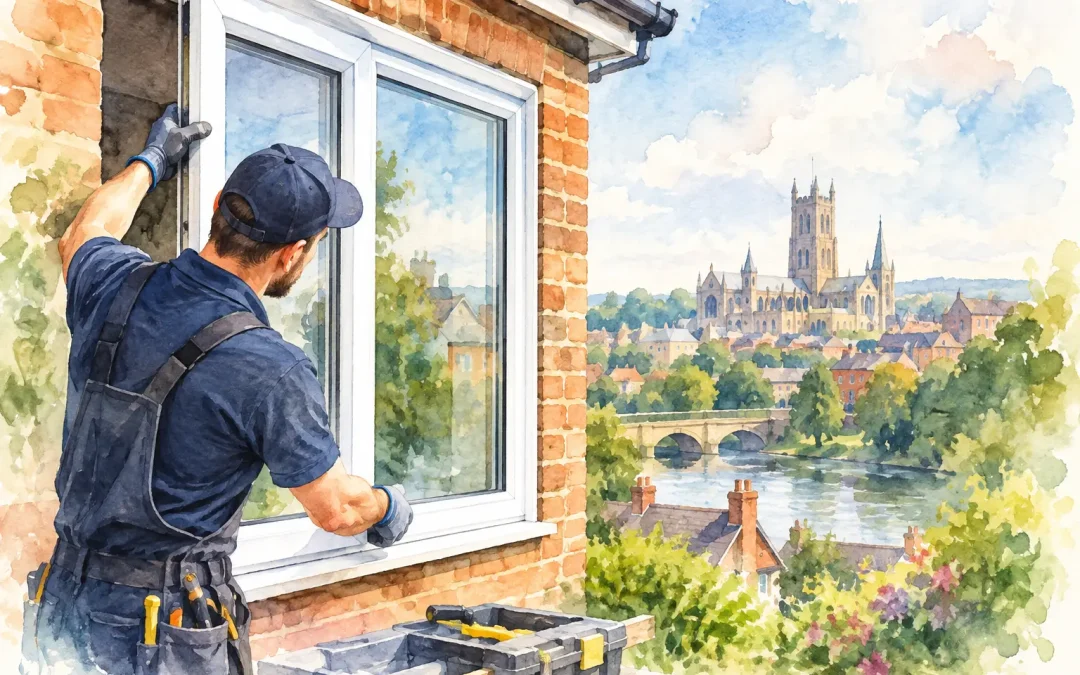
A new window should make your home warmer, quieter and more secure from the day it is fitted. This Leicester uPVC window installation guide explains what a properly planned installation looks like, from the first measurement through to the final checks, so you know what to expect before work begins.
Replacing windows is not simply a matter of taking one frame out and putting another in. The fit needs to suit the property, the opening must be sound, and the finished window has to drain correctly, open properly and be sealed against the weather. Getting those details right is what protects your investment over the years ahead.
Start with a proper home survey
A reliable installation starts well before the fitting date. An installer should visit your home to measure each opening accurately, look at the condition of the surrounding brickwork or render, and discuss how you use the room. A south-facing lounge, for example, may need different glazing considerations from a cold north-facing bedroom.
The survey is also the right time to decide on the window style. Casement windows remain a popular choice because they are practical, secure and suit many Leicester properties. Tilt and turn windows can be useful where easy cleaning or controlled ventilation matters, while bay windows need particularly careful measuring and structural support. There is no single best option for every home. The right choice depends on the appearance of the property, the size of the openings, your budget and what you need the windows to do.
Ask to see the proposed frame colour, glazing specification, handles and opening arrangement before ordering. White uPVC is a sensible, affordable option for many homes, but anthracite grey, black and wood-effect finishes can work well where you want a stronger external look. Bear in mind that darker frames may cost more and need to be selected carefully to suit existing doors, brickwork and roofline.
Choosing the right uPVC window specification
The quality of the installation matters just as much as the quality of the frame. A made-to-measure uPVC window should be correctly reinforced where needed, fitted with secure locking hardware and glazed to meet the requirements of its location.
For ground-floor windows and accessible openings, security is a key consideration. Look for multipoint locking, strong hinges and handles that lock securely. Windows close to doors, patios or low-level access points deserve particular attention, as they may be more vulnerable to attempted entry.
Glazing should be selected for more than appearance. Double glazing helps reduce heat loss and outside noise, but the glass used can vary. Toughened safety glass may be required in critical locations, such as low-level glazing or areas near doors. Bedrooms that are intended to provide an escape route may need a suitable clear opening. These are practical details that should be considered at survey stage, not after the windows have arrived.
Ventilation is another point that is often overlooked. Modern windows seal far better than older timber or aluminium frames, which is good for draught reduction but means the home still needs a controlled way to let fresh air in. Trickle vents may be required depending on the property and the replacement work being carried out. They are not always everybody’s favourite feature, but they can help manage condensation and maintain background ventilation when used correctly.
Energy efficiency without unrealistic promises
New uPVC double glazing can make rooms feel more comfortable by reducing draughts and helping retain heat. However, windows are only one part of the picture. If there are gaps around external doors, poor loft insulation or problems with the roofline, replacing windows alone will not solve every cold spot or condensation issue.
A good installer will be honest about this. If the existing frames are leaking, warped, difficult to lock or suffering from failed sealed units, replacement can make a noticeable difference. If the problem is mainly caused by moisture from drying clothes indoors, inadequate extraction or poor ventilation, the answer may need to include changes elsewhere in the home too.
What happens on installation day?
For most standard replacement jobs, the fitting team will work room by room to keep disruption manageable. They should protect floors and nearby furniture where necessary, remove the old windows with care and check the opening before fitting the new frame.
The frame is positioned level and square using suitable packers, then mechanically fixed into the surrounding structure. This is important. Frames should not rely on expanding foam alone to hold them in place. Once the frame is secure, the glass units, sashes, handles and trims are fitted and adjusted.
The gap around the window needs to be insulated and sealed properly. Internally, this helps reduce draughts around the reveal. Externally, the seal must keep out rain while allowing the window’s drainage system to do its job. uPVC frames are designed with drainage routes, so these must not be blocked by poor sealing or excess material.
Older properties can reveal surprises once the original frame is removed. There may be damaged timber, loose brickwork, uneven reveals or evidence of previous repairs. A straightforward installation can then need extra work. This is not necessarily a cause for concern, provided the installer explains the issue clearly, agrees any additional work with you and repairs the opening before continuing.
Dust, noise and access
Window replacement creates some noise and dust, especially when old frames, tiles or render need to be cut back. Move ornaments and valuables away from the work area, keep children and pets clear, and make sure the fitters can access each window without obstruction.
If you have blinds, curtains, alarm sensors or window shutters, discuss these before the installation date. In some cases they will need to be removed and refitted separately. It is better to plan this in advance than discover that a new inward-opening sash catches an existing blind.
Building regulations and certificates
Replacement windows in England must meet relevant building regulations, including standards around energy efficiency, ventilation and safety glazing. In many cases, a registered installer can self-certify the work and provide the appropriate certificate after completion. Keep this paperwork safe, as it can be useful when you sell your home.
Properties in conservation areas, listed buildings or homes with specific planning restrictions may need additional checks before replacement. uPVC windows can be an excellent practical choice, but planning rules may affect the style, colour or material permitted. Do not assume that every like-for-like replacement is automatically exempt.
Checks to make before the fitters leave
Do not feel rushed at handover. Open and close every window, test the locks, and check that keys are supplied where relevant. Look at the frames inside and outside in good daylight if possible. The finish should be neat, the seals should be continuous, and there should be no obvious damage to glass, handles or trims.
You should also ask how to operate any trickle vents, restrictors or tilt functions. A window that is technically fitted correctly can still be frustrating if you have not been shown how its features work. Confirm who will remove old frames and glass, what guarantee applies to the workmanship and products, and how any snagging issues will be dealt with.
At Supreme Home Improvements, homeowners can expect made-to-measure products, experienced fitting and a 10-year workmanship guarantee. For families across Leicester and the wider Leicestershire area, dealing with a local, established team can make it easier to get clear answers before, during and after the work.
Looking after new uPVC windows
uPVC does not need painting, but it still benefits from simple care. Wipe frames with warm soapy water and a soft cloth, keeping abrasive cleaners away from the surface. Clear dirt from drainage channels, particularly after autumn, and lightly clean the rubber seals to prevent grime building up.
Check handles and hinges from time to time. If a window starts to catch, becomes stiff or does not lock smoothly, arrange an adjustment before forcing it. Small issues are usually easier and less expensive to put right when dealt with early.
A well-fitted window should feel like a straightforward improvement, not an ongoing worry. Take time over the survey, ask practical questions about the specification and choose an installer who is willing to explain the work plainly. That approach gives you the best chance of warmer rooms, a smarter exterior and windows that continue to do their job properly for years to come.