
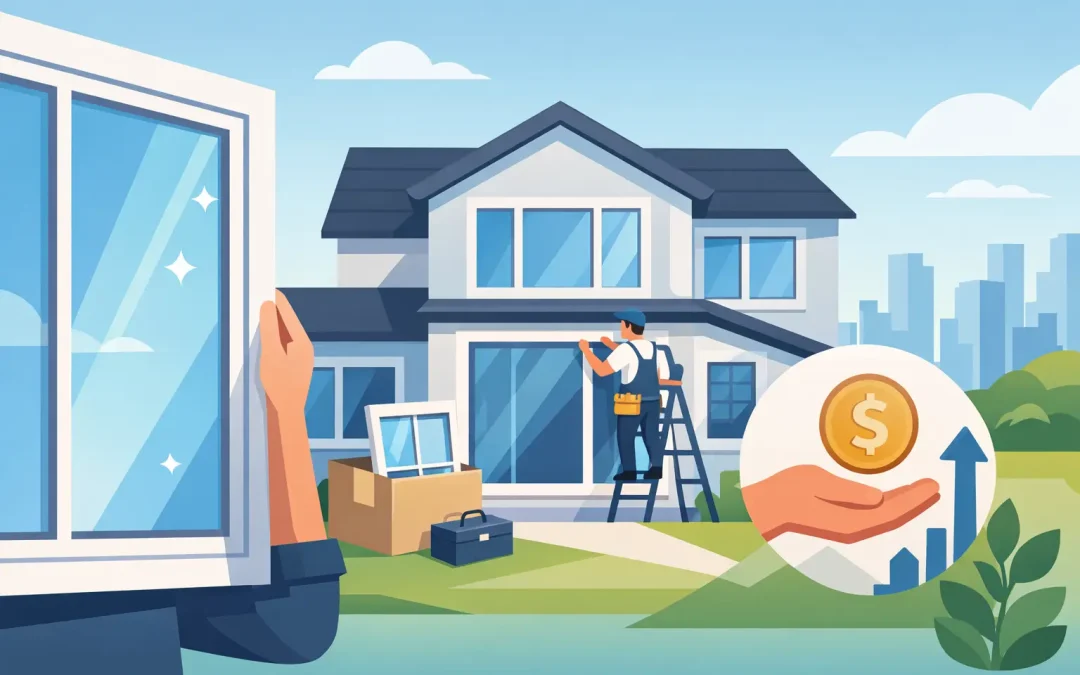
A tired front elevation can knock the feel of a whole property, even before anyone steps inside. If you are weighing up the cost of replacement glazing, one question usually comes first – do new windows add value? In many cases, yes, they do, but the real answer depends on the type of windows you choose, the condition of the old ones, and what buyers in your area expect.
For most homeowners, value is not just about the final selling price. It is also about making the house warmer, quieter, safer and easier to maintain while you still live there. That is where new windows often earn their keep.
Do new windows add value in real terms?
New windows can add value in two ways. First, they can improve the market appeal of your home, which may support a stronger asking price or a quicker sale. Second, they can reduce ongoing costs through better insulation and fewer maintenance issues, which matters whether you plan to move or stay put.
Buyers notice windows more than many homeowners realise. Fogged-up double glazing, rotten frames, stiff handles or draughts around the edges suggest a property has been left behind on maintenance. Even if the rest of the house is in decent order, poor windows can create doubt. People start wondering what else might need doing.
On the other hand, clean, well-fitted replacement windows help a home look cared for. They give reassurance. For many buyers, especially families or busy working households, a home that needs less immediate work is worth more than one with a lower price tag but a long list of jobs.
That said, new windows rarely return every pound spent in a straight line. If you install high-end products in a modest property, the uplift may not fully match the outlay. The best results usually come when the upgrade suits the house, the street and the local market.
What makes replacement windows worthwhile?
The biggest gain often comes from improving a problem that is already obvious. If your current windows are single glazed, failing, warped or visibly dated, replacing them can make a clear difference to both liveability and buyer confidence.
Energy efficiency is a major factor. Modern uPVC double-glazed windows help keep warmth in and cold draughts out, which can support a better EPC rating and lower heating bills. Buyers are far more alert to running costs than they were a few years ago. A home that feels warm and efficient on a viewing leaves a stronger impression than one with cold spots near every frame.
Security matters too. New locking systems, tougher frames and modern glazing options can improve peace of mind. This may not always show up as a separate line in a valuation, but it adds to the overall appeal of the property.
Then there is the day-to-day practical side. New windows are easier to open, easier to clean and far less likely to cause issues with condensation between panes or water ingress around old seals. For homeowners planning to stay put, those benefits are immediate. For those preparing to sell, they help remove objections before buyers raise them.
Kerb appeal has more influence than people think
Windows are one of the first things anyone sees from the pavement. If the frames are discoloured, mismatched or bulky from an older installation, they can date the whole house. A smart set of made-to-measure windows can sharpen the outside appearance and make the property look better looked after overall.
This is especially true at the front of the house, where appearance and proportion matter. The right design should suit the age and style of the property rather than fight against it. A clean, simple finish often does more for value than choosing something flashy.
Kerb appeal may sound cosmetic, but it affects buyer behaviour. If people feel positive before they even step through the door, they are more likely to view the home favourably inside as well. That emotional response can make a real difference when there are similar properties on the market.
When new windows add the most value
Some homes benefit more than others. If your windows are already fairly modern, in good condition and performing well, replacing them purely for resale may not be the best use of your budget. You might see more benefit from improving kitchens, bathrooms or external repairs.
But if your windows are visibly old or underperforming, the case becomes stronger. New windows tend to add the most value when:
- the existing units are damaged, draughty or no longer efficient
- the property still has older timber or aluminium frames that are costly to maintain
- the house looks dated from the outside
- there are issues with condensation inside sealed units
- buyers in your area expect double glazing as standard
In much of Leicestershire, double glazing is not viewed as a luxury. It is expected. If a property does not have it, or the installation is clearly at the end of its life, that can hold the home back against similar properties nearby.
Do all new windows add value equally?
No, and this is where a bit of care saves money. Quality of installation matters just as much as the product itself. Poorly fitted windows can lead to draughts, leaks, sticking hinges and an untidy finish around the reveals. That is the sort of work buyers notice for the wrong reasons.
Material also matters. For many homes, modern uPVC windows strike the right balance between affordability, energy efficiency and low maintenance. They are a sensible choice for households who want long-term performance without constant upkeep. In most cases, they also fit what local buyers are happy to see.
Style is another point worth thinking through. Replacing all the windows in a consistent design generally looks far better than updating them one at a time in mixed finishes. Matching sightlines, colours and opening styles can make the whole property feel more cohesive.
There is also a question of over-improving. If you spend heavily on premium glazing features that few buyers are likely to pay extra for, the added value may be limited. The sweet spot is usually a reliable, attractive, energy-efficient upgrade done to a good standard.
The value you feel before you ever sell
It is easy to focus on resale, but many homeowners stay in their property for years after replacing windows. In that time, the upgrade can pay back in comfort and convenience.
A warmer house is easier to enjoy in winter. Better sound insulation can make a difference if you live on a busier road. New frames and locks can improve security. Low-maintenance materials mean less repainting, less patching up and fewer worries when the weather turns.
That is real value, even if you never put the house on the market. If old windows are making your home harder to heat or maintain, replacing them is not just a cosmetic job. It is a practical improvement to how the property performs every day.
How to judge whether it is worth doing now
If you are unsure whether to replace your windows, start with the condition of what you already have. Are there draughts, failed units, rot, leaks or signs that the frames are on the way out? If so, delaying the work often means putting up with higher heating costs and a home that feels less comfortable than it should.
Next, think about your plans. If you are selling soon, new windows can help present the property properly and remove an obvious sticking point for viewers. If you are staying for the long term, the comfort and efficiency gains become even more relevant.
Finally, look at the house as a whole. Windows work best as part of an overall exterior upgrade. Fresh roofline products, smart doors and tidy external finishes all support each other. A property that looks protected from the elements tends to feel more valuable because it looks less like a future expense.
For homeowners who want that work done properly without dealing with several different firms, a local company such as Supreme Home Improvements can make the process more straightforward by handling exterior upgrades with the same practical, service-led approach.
So, do new windows add value?
Yes, in many cases they do, but not by magic and not in exactly the same way for every home. They add the most value when they solve clear problems, improve energy efficiency, lift kerb appeal and reassure buyers that the property has been cared for.
If your current windows are tired, inefficient or dragging down the look of your home, replacement windows are usually a sound investment. And even if the estate agent’s figure only tells part of the story, the extra warmth, lower upkeep and better first impression can make the decision feel worthwhile long before any sale board goes up outside.