If your fascias are peeling, your soffits are stained, or your guttering overflows every time it rains, putting the job off usually makes it dearer. A proper roofline replacement buyers’ guide starts with one simple point – your roofline is not just there to tidy up the edge of the roof. It protects the structure of your home from water, pests and avoidable rot.
For many homeowners, the hardest part is knowing what actually needs replacing, what materials are worth paying for, and how to compare quotes without getting caught by cheap fixes. Roofline work is one of those jobs where the finish matters, but what sits underneath matters even more.
What your roofline actually does
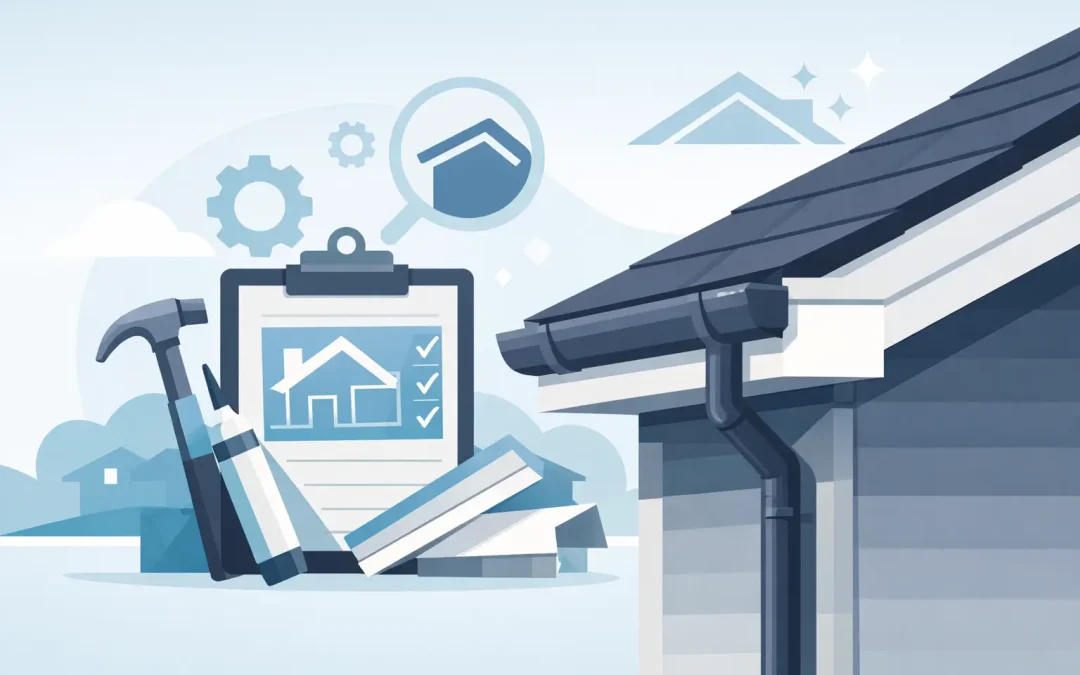
Your roofline includes the fascias, soffits, bargeboards and guttering around the edge of your roof. Together, these parts manage rainwater, protect exposed roof timbers and help ventilate the roof space.
When they start to fail, the signs are often easy to miss at first. You might notice flaking paint, damp patches near the roof edge, blocked or sagging gutters, or birds getting into small gaps. Some homes also suffer from poor airflow in the loft, which can contribute to condensation problems.
This is why replacement is not just a cosmetic upgrade. Done properly, it helps protect the roof structure and keeps maintenance down for years.
Roofline replacement buyers’ guide – repair or full replacement?
This is one of the first decisions to get right. In some cases, a localised repair makes sense. If one length of gutter has cracked or a joint has failed, a straightforward repair may be enough.
But if the timber behind the existing fascia boards is soft, if several sections are failing at once, or if you have old timber boards that need regular painting, full replacement is usually better value over time. Patch repairs on a tired roofline can become a cycle of small bills that never properly solves the issue.
A good installer should be honest about this. Not every property needs a full replacement, but not every property should be patched up either. It depends on the age of the roofline, the condition of the timber beneath, and whether the system can still do its job in bad weather.
The main materials and what they mean for cost
For most homes, modern uPVC roofline products are the practical choice. They are popular for good reason. They are low maintenance, weather resistant and available in styles that suit both modern and more traditional properties.
Timber still appeals to some homeowners, especially on period homes, but it comes with ongoing upkeep. It needs painting, inspection and more regular maintenance. If you want a clean finish with less hassle, uPVC is often the better fit.
Within uPVC itself, quality varies. Thicker, better-made boards tend to hold up better over time than cheaper, thinner alternatives. This is where very low quotes can be misleading. The product may look similar on day one, but lower-grade materials can discolour, warp or become brittle sooner.
The cheapest option is not always the most affordable in the long run.
Capping over existing boards vs full replacement boards
This is an area where homeowners should ask direct questions. Some installers offer capping boards fitted over old timber fascias. This can be suitable if the original timber is still sound, dry and structurally solid.
If the timber underneath is deteriorating, covering it is only hiding the problem. Full replacement boards remove the old fascia and replace it with a complete new system. It costs more upfront, but if the underlying timber is failing, it is the proper job.
A trustworthy quote should make clear which method is being offered and why.
What to check when comparing quotes
Not all roofline quotations cover the same work. Two prices can look similar on paper while including very different standards of materials and labour.
Start by checking whether old boards will be removed or simply covered. Then look at whether the quote includes guttering, downpipes, ventilation, waste removal and access equipment. Scaffolding is not needed on every job, but safe access should always be factored in properly.
You should also ask what happens if hidden timber damage is found once the old roofline comes off. This is not unusual, especially on older properties. The important thing is that the installer explains how they deal with it and whether extra costs would apply.
A clear written quote is usually a good sign. Vague pricing often leads to vague standards.
Roofline replacement buyers’ guide – signs of a quality installation
A good roofline job should do more than make the house look sharper from the pavement. It should improve weather protection and leave the roof edge solid, straight and well finished.
The boards should sit neatly, joints should be tidy, and the guttering should be aligned to carry water away properly. There should also be proper support and ventilation where needed. If ventilation is ignored, especially in older roofs, you can end up solving one issue and creating another.
Quality installation also means attention to the details most people never see. That includes checking the condition of the rafters, fixing securely into sound structure, and making sure water is directed away from the walls and foundations.
It is this behind-the-scenes workmanship that separates a lasting replacement from a quick cosmetic cover-up.
How long should a new roofline last?
A well-installed uPVC roofline system should last for many years with very little maintenance. You will still need the gutters clearing from time to time, especially if your property is near trees, but you should not be dealing with regular repainting, rot treatment or constant repairs.
Longevity depends on three things: the quality of the product, the standard of fitting, and the condition of the structure it is fixed to. Even the best materials will underperform if they are fitted over rotten timber or installed without proper support.
That is why workmanship guarantees matter. They are not just a sales extra. They show that the installer is prepared to stand behind the job.
Choosing a contractor without the guesswork
Most homeowners are not roofline specialists, and they should not be expected to be. The aim is not to learn every trade term. The aim is to choose a contractor who explains the work clearly and does not confuse you into a rushed decision.
Look for a company with established experience in external home improvements, not just one that offers roofline work as an add-on. Ask whether they handle repairs as well as replacements. A firm that does both is often more balanced in its advice, because not every customer needs the biggest possible job.
Local reputation matters too. A family-run business working across Leicestershire has more reason to protect its name than a passing outfit chasing quick sales. That local accountability can make a real difference if you ever need aftercare or advice down the line.
When timing matters most
Some homeowners replace the roofline as part of a planned upgrade, perhaps alongside new windows, doors or roofing work. That can be a smart move, especially if access is already in place and you want the outside of the property finished to the same standard.
Other times, the need is more urgent. Overflowing gutters, loose sections, water ingress and visible rot should not be left through another wet season. Roofline problems tend to worsen quietly. By the time internal damp appears, the damage outside is often more advanced than expected.
If your home is showing those signs now, getting it checked sooner gives you more options. Leave it too long and a simple replacement can turn into structural repair work.
What good value really looks like
Good value is not the lowest number on the page. It is a fair price for solid materials, proper preparation, tidy fitting and reliable aftercare.
A roofline replacement should reduce maintenance, improve the look of the property and protect your home in all weathers. If the quote is cheap because corners are being cut on board quality, labour or preparation, the saving rarely lasts.
For homeowners who want the job done properly, the best approach is simple. Ask clear questions, compare like with like, and choose a company that treats your property as if it matters. That is usually the difference between a short-term fix and an upgrade you can stop worrying about.
If you are weighing up quotes and wondering what your home actually needs, the right advice should leave you feeling clearer, not pressured.