
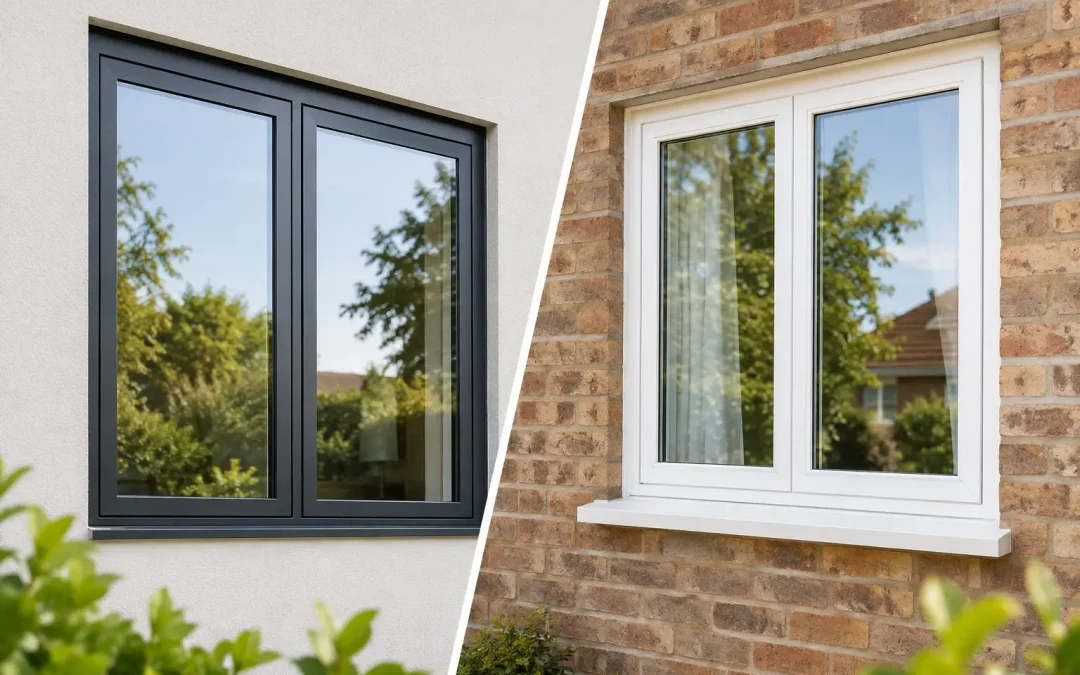
A new window should suit the character of your property as well as keep your rooms warmer and more secure. When weighing up flush casement vs standard windows, the main difference is how the opening sash sits within the frame. It sounds like a small detail, but it can change the look of the whole front of a house.
For homes across Leicestershire, there is no single right answer. A flush design can give a smart, traditional feel, while a standard casement window is a familiar, practical choice that suits a huge range of properties. The best option depends on your home’s style, budget and the finish you want to live with for years to come.
What is the difference between flush casement and standard windows?
Both types are casement windows, meaning they are usually hinged at the side and open outwards. They can be made to measure in uPVC and fitted with double glazing, secure locking and different handle styles.
The difference is in the profile. On a standard casement window, the opening sash sits slightly proud of the outer frame when closed. This creates a visible stepped edge, which is the style many homeowners recognise on modern uPVC windows.
With a flush casement window, the sash closes level with the frame. The outside face appears flatter and more even, closer to the appearance of traditional timber windows. It is a cleaner, more refined look, particularly when viewed from the kerb.
Neither design is automatically better made or better insulated. The performance comes down to the quality of the frame, glazing unit, seals, locks and, just as importantly, the installation itself.
Flush casement vs standard windows: appearance
Appearance is normally the deciding factor. Flush casement windows are popular on cottages, village homes, period-style properties and newer houses designed with a traditional finish. Their flat profile gives the window a neat, understated look without the maintenance associated with old timber frames.
They work especially well where you want to improve the appearance of a property without making it look overly modern. Depending on the range selected, flush windows can be supplied in classic white, anthracite grey, black, woodgrain effects and other finishes. Details such as Georgian bars, dummy butt hinges and traditional handles can make a real difference on the right property.
Standard casement windows have their own advantages. Their stepped profile is familiar, versatile and often suits 1970s, 1980s and more modern homes very well. A simple white uPVC casement window can brighten the exterior of a house and provide a clean finish at a sensible price.
If your existing windows sit proud of the frames and you are happy with their overall look, replacing them like for like with standard casements is often the straightforward route. If the house feels dated or you want a more premium, timber-style appearance, flush casements may be worth the extra investment.
Think about the whole property, not one window
It helps to look at your brickwork, front door, roofline and neighbouring properties before choosing a frame style. A charcoal flush window can look excellent beside a modern composite door, but it may feel too bold on a small traditional home where white frames are more in keeping.
The same applies to colour. Dark frames can make a strong statement and show off a flush design well, while white remains a timeless, lower-risk choice for many homes. Samples and photos of completed installations are useful because frame profiles can look quite different in person to how they appear online.
Energy efficiency and comfort
Homeowners sometimes assume flush casement windows are warmer because they have a more fitted appearance. In practice, both flush and standard casement windows can offer very good thermal performance when specified properly.
The glass matters greatly. Modern double glazing with low-emissivity glass, suitable spacer bars and gas-filled units helps reduce heat loss through the window. A well-designed frame and effective weather seals help prevent draughts around the edges. Good installation then ensures there are no avoidable gaps between the frame and the wall opening.
That means you should compare the quoted energy rating and glazing specification, not simply the style of the sash. A high-quality standard casement can outperform a poorly specified flush window, and the reverse is also true.
Both styles can improve comfort in rooms that feel cold near the windows, suffer from draughts or collect condensation on older units. They can also help reduce outside noise, although the level of sound reduction will depend on the glazing, the condition of the surrounding walls and how the window is fitted.
Security and everyday use
A modern replacement window should be secure whichever profile you choose. Look for multi-point locking, strong hinges, internal beading and toughened glass where required, such as in low-level glazing or doorside panels.
Flush casement windows can be fitted with contemporary locking systems despite their traditional appearance. Standard casement windows can offer the same practical security features. The handles and hinges may vary between systems, but there should not be a need to compromise on security for the sake of the style you prefer.
For ventilation, both designs can be configured with top-opening fanlights, side-opening sashes or a mixture of the two. Upstairs windows may need easy-clean hinges if safe access to the outside glass is difficult. In kitchens, bathrooms and bedrooms, the way the windows open can be just as important as the profile you see from outdoors.
Cost: is a flush casement window more expensive?
Flush casement windows are often more expensive than standard casement windows, though the difference varies by size, colour, glass choice and hardware. The more detailed profile and traditional finishing options can add to the manufacturing cost.
Standard casements are generally the more budget-friendly option, particularly for larger replacement projects. This does not mean they are a poor choice. For many homeowners, a well-fitted standard uPVC window delivers the security, warmth and low maintenance they need at a very competitive price.
The sensible approach is to set a clear budget, then decide where the appearance of a flush design will add the most value. You may choose flush casements at the front of the house, where kerb appeal matters most, and standard casements elsewhere. Alternatively, keeping one consistent style throughout can create a more balanced finish.
Be careful when comparing quotes. Make sure each price includes the same number of opening sashes, glazing type, colour finish, cills, trims, removal of old frames and making good around the openings. A lower price is not always like for like.
Maintenance and long-term appearance
Both window styles are low maintenance compared with traditional painted timber. Regular cleaning with warm soapy water and a soft cloth is normally enough for the frames. Moving parts should be checked periodically, and drainage channels need to be kept clear so rainwater can escape properly.
Flush casement windows have a flatter external finish, which some homeowners find easier to wipe down. Standard casements have more visible edges and joints, but they are still simple to care for. In either case, avoid abrasive cleaners and do not paint uPVC frames unless the product manufacturer confirms it is suitable.
Colour choices deserve some thought. White uPVC remains easy to match and tends to suit most properties. Woodgrain and coloured finishes can give a more distinctive result, but a quality product and careful fitting are particularly important if you want that finish to look smart over time.
When should you choose each style?
Choose flush casement windows if you want a level, timber-inspired appearance, are improving a period-style or character property, or want to make a stronger feature of the front of your home. They are also a good option for homeowners who prefer clean lines and are prepared to spend a little more for the finish.
Choose standard casement windows if you want a reliable, familiar design with plenty of choice and strong value for money. They suit most property styles, work well for full-house replacements and can still look smart with the right colour, glazing bars and hardware.
If your property is in a conservation area or is listed, check any local planning requirements before ordering. Replacement windows may need to meet particular design or material expectations. This is worth clarifying early, before you settle on a profile, colour or glazing-bar layout.
A made-to-measure survey is the best time to discuss these details properly. Supreme Home Improvements can help homeowners compare practical options, finishes and costs without pushing a one-size-fits-all answer. The right windows should look at home on your property, keep the weather out and feel like a worthwhile improvement every time you close the curtains.