
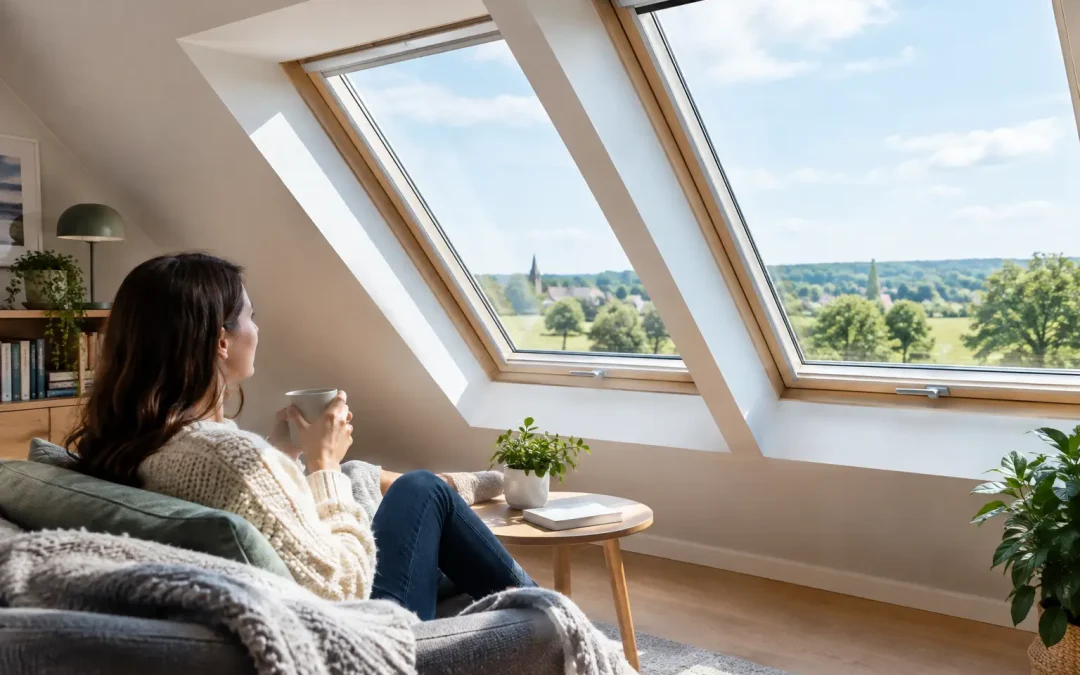
A dark loft room can make perfectly good space feel forgotten. A well-positioned roof window changes that quickly, bringing in daylight, fresh air and a more open feel without extending the property. In this Velux window review, we look at whether the brand is worth considering for homes across Leicestershire, including the benefits, the likely costs and the details that matter before fitting.
Velux is one of the best-known names in roof windows, and that recognition has been earned over many years. However, a recognised name is not the only reason to choose one. The right window must suit the roof, the room below it, the level of insulation required and your budget. A quality product still relies on correct measuring and fitting to perform as it should.
Velux Window Review: What You Get
Velux roof windows are designed for pitched roofs and are available in a wide range of sizes, opening styles and finishes. Their main appeal is simple: they bring considerably more natural light into loft conversions, bedrooms, stairwells, bathrooms and kitchens than a small vertical window can usually provide.
The range includes centre-pivot windows, top-hung models and electric or solar-powered options. A centre-pivot window is often a practical choice where access is limited, as it can rotate for easier cleaning. Top-hung windows open outward from the top, giving a clearer view and a more balcony-like feeling when opened. The best option depends on where the window sits and how easily it can be reached.
For many homeowners, the build quality is a major selling point. Standard windows are commonly available with timber internal frames and low-maintenance external cladding. White polyurethane versions can be particularly useful in bathrooms, kitchens and other humid rooms because they are easy to wipe clean and do not need regular varnishing.
Glazing choices also make a real difference. Modern roof windows can offer improved thermal performance, noise reduction and laminated inner panes for added safety. If your property is on a busy road, under a flight path or exposed to heavy rain, choosing glazing designed to reduce outside noise can be worthwhile. It costs more at the start, but it can make the room much more pleasant to use.
The Biggest Benefits for Homeowners
The first benefit is daylight. Because roof windows face the sky, they can bring in more direct light than similarly sized vertical windows. This is especially valuable in a converted loft, where the ceiling shape can otherwise make a room feel enclosed. Better natural light can also reduce the need to switch on lamps during the day.
Ventilation is another strong point. Warm air rises, so opening a roof window can help release heat from upper floors in summer. Many models include a ventilation flap, allowing background airflow even when the window is shut. This can help manage condensation, although it will not solve underlying damp issues caused by poor insulation, leaks or inadequate extraction in bathrooms.
Energy efficiency is a third advantage when the window is correctly specified and installed. Older roof windows can be a weak point in the roof structure, with draughts and cold glass making the room uncomfortable. A modern replacement with suitable glazing, insulation collars and the correct flashing kit can improve comfort noticeably.
There is also the question of property appeal. A bright, usable loft room is more attractive to future buyers than a dark storage area. A roof window will not automatically add a set amount to the value of a house, but it can improve how the space looks and works day to day.
The Trade-Offs to Consider
A Velux window is not the cheapest route to daylight. The product cost, flashing kit, labour, internal finishing and any structural work all need to be included in the budget. If the opening needs to be formed in an existing roof, the final price can be much higher than the window itself.
Placement is also crucial. A large south-facing roof window can bring welcome brightness in winter but may create excessive heat in summer. Blinds can help, especially heat-reducing or blackout options, but it is better to think about solar gain before installation rather than treating it as an afterthought.
Cleaning can be less convenient than it is with a standard window, particularly on a steep roof or where the window is out of reach. Centre-pivot models make cleaning the outer pane easier, while electric opening systems can be useful for high ceilings. These convenient options add to the overall cost and may require a power supply or solar unit.
Finally, roof windows need maintenance like any other external part of the home. Leaves, moss and debris should not be allowed to build up around the flashing. Seals, hinges and drainage channels should be checked from time to time. A properly fitted window should be weather-tight, but ignoring a damaged flashing kit or surrounding roof tiles can lead to water getting where it should not.
Choosing the Right Velux Roof Window
Start by considering the room rather than the brochure. A loft bedroom may need opening windows, privacy blinds and blackout control. A bathroom may suit moisture-resistant white polyurethane and obscure glazing. A stairwell might benefit most from a fixed roof window that brings light into the centre of the house without needing to open.
Size should be based on the available roof area and the amount of daylight needed. One large window can create a striking feature, but two smaller windows may spread light more evenly across a room. The pitch of the roof matters too. On a lower-pitched roof, a taller window often gives a better outside view; on a steep roof, a shorter window may be more suitable.
It is also worth thinking ahead. If you are converting the loft now, plan window positions alongside furniture, radiators, electrics and storage. A window above a bed can look good but may be difficult to operate without a pole or electric control. If the room is likely to become a nursery or guest bedroom, blackout blinds may be a sensible investment from the beginning.
Why Fitting Quality Matters as Much as the Window
Even the best roof window can cause problems if it is fitted badly. The flashing kit must match the roof covering, whether that is slate, plain tiles or profiled tiles. It directs rainwater around the frame and back onto the roof surface. Using the wrong kit, cutting corners on underfelt or failing to insulate around the opening can lead to draughts, condensation or leaks.
The internal finish is important too. The top reveal should generally be horizontal and the bottom reveal vertical. This helps daylight enter the room effectively and allows warm air to circulate over the glass, reducing the chance of condensation. It is a small detail that separates a tidy, long-lasting installation from one that simply looks acceptable at first glance.
Before work begins, ask what is included in the quotation. It should be clear whether the price covers the window, flashing, structural alterations, insulation, plasterboard, plastering, waste removal and making good internally. Comparing a low product-only price with a complete fitted price can otherwise be misleading.
For homeowners in and around Ibstock, Coalville, Ashby and the wider Leicestershire area, local knowledge can be useful when assessing older roofs. The condition of rafters, tiles, felt and roofline materials may affect what is involved. An experienced installer should inspect the area properly rather than guessing from a photograph.
Are Velux Windows Worth It?
For most homeowners, Velux windows are worth the investment when daylight, ventilation and long-term reliability are priorities. They offer a broad choice of styles and glazing options, and replacement parts, blinds and accessories are widely available. That makes them a dependable choice for a loft conversion or an upgrade to an ageing roof window.
They may not be the right answer in every situation. If the roof needs significant repair work first, deal with the roof before adding a new opening. If the room overheats easily, window size, orientation and shading need careful thought. And if budget is tight, it may be better to fit one well-specified window properly than choose several basic units with compromises on insulation or finishing.
A roof window should make a room more comfortable in every season, not just brighter on the day it is installed. Take time to choose the right size, glazing and opening style, then make sure the fitting work is carried out carefully. That is how a simple opening in the roof becomes a genuine improvement to your home.