
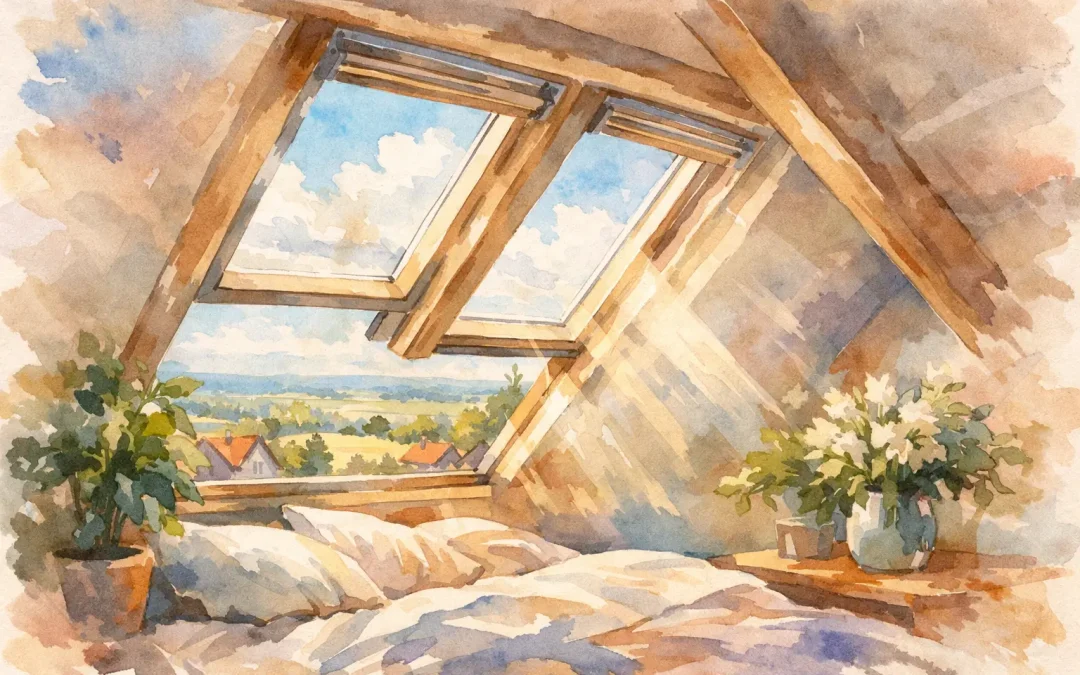
A loft room can feel like an afterthought when it is lit by one small gable window. A well-positioned set of Velux windows can change that completely, bringing daylight, fresh air and a more open feel into a space that may otherwise be too dark or stuffy to enjoy properly.
For homeowners, roof windows are not only about appearance. The right specification can help control heat loss, reduce outside noise and make a converted loft, kitchen extension or upstairs bedroom far more comfortable throughout the year. The wrong choice, or a poor installation, can lead to leaks, overheating and condensation. That is why it pays to look beyond the glass and consider the roof, the room and how you use it.
Are Velux windows right for your home?
VELUX is a well-known roof-window manufacturer, and the name is often used generally when people mean a roof window. Their products are designed for pitched roofs and are available in a broad range of sizes, opening styles and glazing options. This makes them suitable for many homes across Leicestershire, from older properties with converted roof spaces to newer homes with rear extensions.
The main benefit is the angle. A window fitted into the roof brings light deeper into a room than a vertical window of a similar size. In a loft conversion, that can make the difference between a room that feels cramped and one that feels like a proper part of the house.
Opening roof windows also provide useful ventilation. Warm air naturally rises, so a window high in the room gives it somewhere to escape. This is particularly helpful in bedrooms, bathrooms and loft spaces, where moisture and warm air can build up.
There are trade-offs to consider. A large south-facing roof window can create plenty of welcome winter light, but it may make the room too warm in summer without suitable blinds or solar-control glazing. A small window may be cheaper and easier to fit, but it might not give enough light or ventilation to achieve the improvement you are hoping for.
Choosing Velux windows for the room you have
Start with the purpose of the room rather than simply choosing the biggest window that will fit. A home office needs even daylight with limited glare on screens. A bedroom benefits from controllable ventilation and a blackout blind. A bathroom needs privacy, easy-clean surfaces and reliable moisture management. In a kitchen extension, a combination of roof windows can make the whole rear of the property feel lighter without losing wall space for cupboards or furniture.
Size and position matter more than most people expect
One roof window can work well in a small room, but two or three smaller windows often spread light more evenly across a larger space. Position is just as important. Windows placed higher up the roof can bring in more sky and daylight, while lower openings may offer a better view and be easier to operate.
Think about where furniture will sit, too. A roof window above a bed can look attractive, but you should be able to open it safely and reach the blind. In rooms with a low ceiling, a centre-pivot window may be practical. Where the opening is lower and you want an uninterrupted view, a top-hung option can be a better fit.
The roof pitch affects both appearance and performance. A window installed in a shallow roof will sit more horizontally and receive stronger direct sun. A steeper roof can make the same window easier to look out of, but the installer must use the correct flashing kit for the roof covering and pitch.
Manual, electric or solar-powered opening
Manual windows are straightforward, dependable and often the most affordable choice when the handle is within reach. They suit many loft rooms and smaller extensions.
For windows fitted high overhead, electric or solar-powered controls are worth considering. They allow ventilation without climbing onto furniture or using a pole, and some models include rain sensors that close the window when the weather turns. This adds cost, so it makes most sense where access is difficult or where regular ventilation is a priority.
Glazing is not an optional extra
The glazing choice has a direct effect on comfort. Modern double glazing is a sensible starting point for most homes, helping retain heat and reduce the feeling of cold around the window in winter. Higher-performance glazing can improve thermal efficiency further, reduce noise and help limit overheating from strong sunlight.
If your home is near a busy road, railway line or regular traffic route, acoustic glazing may be worth the extra investment. If the window faces south or west, solar-control glazing and an external blind can be more effective than relying on an internal blind alone. Internal blinds are still useful for privacy, darkness and decoration, but they do not stop all solar heat before it reaches the glass.
Installation is where roof-window problems are prevented
A quality roof window needs more than a neat opening in the tiles. The roof structure must be assessed, the opening must be correctly formed, and the window must be fitted with compatible flashing. Flashing is the weatherproof system that directs rainwater around the frame and back onto the roof covering. It is one of the most important parts of the job.
The existing roof material also matters. Slates, plain tiles, interlocking concrete tiles and metal roofing each need the correct detailing. Trying to make an unsuitable flashing kit fit can create a weak point that only becomes obvious after heavy rain.
Inside the room, proper insulation and vapour control around the frame are equally important. Without them, warm indoor air can meet cold surfaces around the opening and cause condensation. A well-finished internal reveal should be insulated, with the top reveal horizontal and the bottom reveal vertical where possible. This helps bring light into the room while allowing warm air from a radiator to circulate against the glass.
Roof windows can require alterations to rafters or other structural work, depending on their size and position. That should never be treated as a quick DIY task. A competent installer will assess the roof before work begins and explain whether any strengthening or trimming is needed.
Planning permission and Building Regulations
Many roof windows can be installed under permitted development rules, particularly when they do not project significantly beyond the existing roof slope. However, there are exceptions. Listed buildings, conservation areas, properties with specific planning conditions and certain front-facing roof alterations may need additional approval.
Building Regulations are a separate matter. They can apply to structural changes, thermal performance, ventilation and fire escape requirements. If a roof window is intended as an escape route from a loft conversion, its clear opening size and location are especially important. A decorative roof window and an emergency escape window are not automatically the same thing.
Before ordering, check what applies to your property and the purpose of the room. Sorting this out early is far easier than changing a finished installation later.
Keeping roof windows in good condition
Modern roof windows are designed to be low maintenance, but they are still exposed to wind, rain, leaves and changing temperatures. Keeping the external flashing clear of moss and debris helps water drain as intended. Gutters and roof valleys nearby should also be kept in good order, as overflowing water can affect any roof opening over time.
Clean the glass with a soft cloth and mild cleaning solution, and avoid abrasive products that can damage coatings. Check the seals, hinges and opening mechanism periodically. If you notice staining around the internal reveal, draughts, a stiff opening action or moisture between panes, arrange an inspection rather than waiting for the problem to grow.
Condensation on the room side of the glass is not always a failed window. It can be a sign of high humidity, inadequate heating or poor ventilation in the room. Opening the window regularly, using extractor fans in bathrooms and kitchens, and maintaining steady background heat can all help. Condensation trapped between the panes, however, usually suggests that the sealed unit has failed and needs professional attention.
A roof window is a long-term improvement when it is sized properly, fitted with the right flashing and matched to the way your family uses the room. Take time to plan the daylight, ventilation and shading before work starts, and you will get far more than a brighter ceiling – you will gain a room that is genuinely easier to live in.