A roof has to do more than look right from the pavement. It needs to cope with driving rain, frosty mornings, high winds and the everyday wear that comes with living in Leicestershire. Choosing the best roof materials Leicestershire homeowners can depend on means looking beyond the upfront price and considering the type of roof, the age of the property and how long you expect the solution to last.
A material that suits a Victorian pitched roof may not be the right answer for a modern extension, garage or conservatory. The best choice is usually the one that provides reliable weather protection, matches the property and fits your budget without creating avoidable repair costs later.
Best roof materials for Leicestershire properties
There is no single roofing material that is right for every home. Pitched roofs, flat roofs and conservatory roofs all have different requirements, and the condition of the existing structure matters just as much as the surface covering.
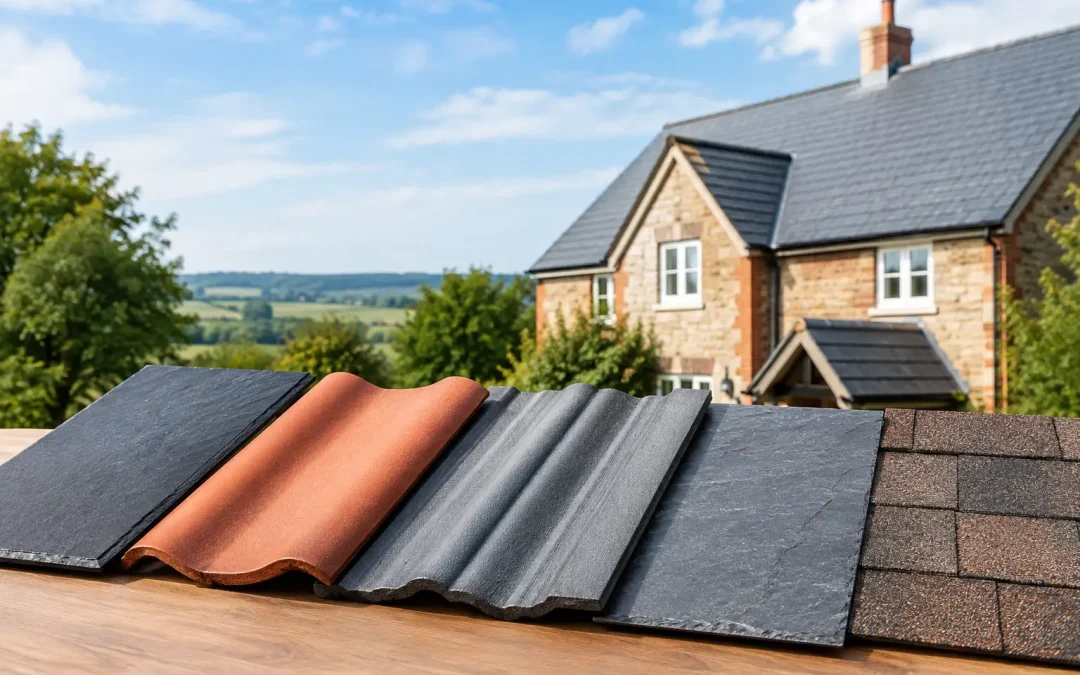
For many local homes, concrete or clay tiles remain a practical choice for pitched roofs. For flat roof areas, modern rubber systems can offer excellent long-term protection. Where a conservatory is too hot in summer and cold in winter, an insulated replacement roof can make a far bigger difference than a simple repair.
Concrete roof tiles: dependable and cost-effective
Concrete tiles are widely used across Leicestershire because they are strong, familiar and available in a good range of colours and profiles. They work well on many modern and traditional homes and can be a sensible option when a tiled roof needs replacing or extending.
Their main advantage is value. Concrete tiles generally cost less than natural slate while still offering a solid, weather-resistant finish. They are also heavier than some alternatives, so the roof structure must be suitable for the load. On an older property, that is something worth checking before committing to a full replacement.
Over time, concrete tiles can weather, fade and collect moss, particularly on shaded roof slopes. This does not automatically mean the roof has failed, but cracked, slipped or missing tiles should be dealt with promptly to prevent water reaching the roof space.
Clay tiles: character with lasting appeal
Clay roof tiles are a popular choice where appearance matters, especially on period homes and properties in villages where a traditional finish suits the street. Their natural colour holds well, and good-quality clay tiles can last for many decades when properly fitted and maintained.
They tend to cost more than concrete, both for the material and sometimes for installation. Clay tiles can also be more brittle, so care is needed when carrying out future maintenance around chimneys, valleys or roof windows. For homeowners improving a character property, however, the added cost may be worthwhile for the finished look and long service life.
Natural slate: premium performance for the right roof
Natural slate has a distinctive appearance that is difficult to copy. It is highly durable, naturally water-resistant and particularly suited to older properties where slate is part of the original character.
The trade-off is price. Slate is one of the more expensive roofing options, and installation requires the right experience. The supporting roof structure must also be assessed because slate is heavy. A slate roof can be a sound long-term investment, but it is not always the most practical choice for a budget-led project or a newer home designed for lighter materials.
Fibre cement slate can provide a more affordable alternative where the look of slate is wanted without the cost of natural stone. It is lighter and consistent in shape, although it does not have exactly the same depth or individual character as natural slate.
The best material for a flat roof
Flat roofs need materials that can cope with standing water, changing temperatures and regular exposure to the elements. Traditional felt roofs are still seen on many garages, porches and extensions, but modern systems have moved on considerably.
EPDM rubber roofing
EPDM rubber roofing is one of the strongest choices for many residential flat roofs. It is a flexible membrane designed to create a durable, watertight surface with fewer joins than older felt systems. It is well suited to garages, extensions, bay windows, porches and dormers.
A quality Firestone rubber roofing system, installed correctly, can offer long-lasting protection with minimal maintenance. The membrane remains flexible through temperature changes, which helps it cope with the British weather. It can also be a clean, practical solution when an ageing flat roof has started to crack, blister or leak.
The key phrase is installed correctly. The roof deck beneath the membrane must be sound, the edges and trims need proper finishing, and drainage must be considered. Even the best material can fail if water is allowed to pool because the roof has inadequate falls or blocked outlets.
GRP fibreglass roofing
GRP fibreglass is another option for flat roofs. It creates a hard, joint-free surface and can be a good fit for smaller areas with straightforward shapes. It is often chosen for its neat appearance and toughness.
Unlike rubber, GRP is less flexible once installed. That does not make it inferior, but it means the roof structure and installation quality are particularly important. For properties where movement or temperature changes are likely to be an issue, a flexible rubber membrane may be the better option.
Conservatory roofs need insulation, not just a covering
Many homeowners assume a conservatory roof only needs attention when it leaks. In reality, the biggest problem is often poor insulation. Old glass or polycarbonate roofs can make a conservatory uncomfortable for much of the year – too warm during sunny spells and too cold when temperatures drop.
A super insulated conservatory roof is designed to improve thermal performance and create a room that feels more connected to the rest of the house. It can reduce glare, soften rain noise and help cut the extremes that make conservatories difficult to use.
This type of upgrade is not simply about fitting new panels. The existing frames and base need to be checked to make sure they are suitable, and the roof should be tailored to the shape and size of the conservatory. A made-to-measure solution gives a better finish than a one-size-fits-all approach.
Do not overlook fascias, soffits and guttering
The roof covering gets most of the attention, but the roofline does vital work. Fascias support the guttering, soffits help ventilate the roof space, and gutters carry rainwater safely away from the property. If any of these parts are damaged, blocked or rotting, water can find its way into places it should not be.
Modern uPVC fascias, soffits and guttering are a low-maintenance choice for many homes. They do not need regular painting, resist rot and can give the outside of a property a much cleaner appearance. More importantly, a properly fitted roofline system helps protect rafters, brickwork and foundations from ongoing water damage.
When replacing guttering or fascias, it makes sense to inspect the flat roof edges, tile verges and drainage at the same time. Sorting connected issues together can save the disruption of separate visits later.
How to choose the right roof material
Start with the roof type. Pitched roofs generally call for tiles or slate, while flat roofs need a waterproof membrane system. Then consider the property itself. A traditional house may suit clay tiles or slate, whereas a newer extension may benefit from a practical rubber flat roof.
Budget should be considered over the expected lifespan, not only on the initial quotation. A cheaper material may be suitable for a short-term repair, but it can be poor value if it needs repeated attention. Equally, the most expensive option is not automatically necessary for every home.
It is also wise to look at the complete job. Good drainage, sound roof decking, properly finished edges and secure flashings are as important as the surface material. Ask what preparation is included, how the new roof will be finished around gutters and walls, and what workmanship guarantee is provided.
For homeowners in Ibstock, Coalville, Ashby and the wider Leicestershire area, Supreme Home Improvements provides practical advice on flat roofing, roofline upgrades and insulated conservatory roofs, with work backed by a 10-year workmanship guarantee.
A roof material should give you confidence when the weather turns, not leave you watching for the next damp patch. Take the time to choose a solution that suits your home properly, and you will be protecting far more than the view from the outside.