
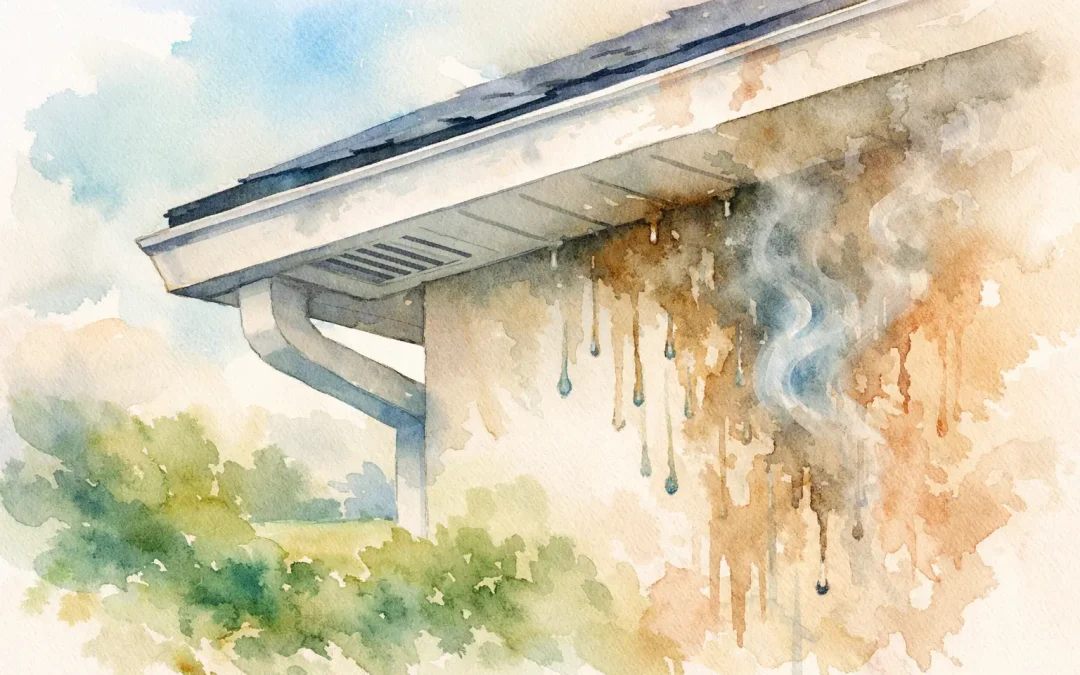
A damp patch near the top of an upstairs wall often sends homeowners straight to the roof, and for good reason. If you are asking do soffits help prevent damp, the short answer is yes – but not on their own. Soffits play an important part in keeping your roofline ventilated and protected, which can reduce the risk of moisture build-up, condensation and the kind of damp that starts quietly and gets expensive later.
For many homes, especially older properties around Leicestershire, damp is not caused by one dramatic leak. It is often the result of poor airflow, failing roofline materials, blocked gutters or small gaps that let water in over time. That is where soffits come into the picture.
Do soffits help prevent damp or just finish the roofline?
Soffits do more than tidy up the underside of your roof overhang. They help protect the exposed underside of the roof edge from weather, pests and moisture, and in many cases they also support ventilation into the roof space.
That ventilation matters. Warm, moist air from inside your home naturally rises. If it reaches the loft and cannot escape properly, it can condense on colder surfaces such as felt, timbers and rafters. Over time, that trapped moisture can lead to mould, timber decay and damp-related issues that spread beyond the loft itself.
Ventilated soffits help by allowing fresh air to move through the roof space. That steady airflow helps carry moisture away before it has a chance to settle and cause problems. So yes, soffits can help prevent damp, especially condensation-related damp, but only if the whole roofline system is working as it should.
How soffits reduce the risk of damp
The main job of a soffit is to close the gap beneath the roof edge. Without that protection, wind-driven rain, birds, insects and damp air can get into places they should not. Once moisture starts affecting the roofline, it can quickly move into the timber structure, insulation and internal walls.
When soffits are fitted correctly and include proper ventilation, they help create a healthier roof space. Air enters at the eaves level, moves through the loft and works alongside other ventilation points to keep condensation under control. This is especially useful in homes where bathrooms, kitchens and everyday heating create a lot of indoor moisture.
Soffits also support the rest of the roofline. If your fascias and guttering are in poor condition, rainwater may overflow or track back towards the house. That can soak masonry, stain walls and increase the chance of penetrating damp. A good soffit system forms part of a wider barrier against weather damage.
When soffits will not solve damp on their own
This is where a lot of homeowners get caught out. Replacing soffits can certainly help, but they are not a cure for every damp problem.
If your damp is being caused by a slipped roof tile, cracked render, blocked cavity, leaking gutter joint or rising damp from ground level, new soffits alone will not fix it. They may improve airflow and protect the roof edge, but the source of the moisture still needs to be dealt with properly.
There is also the question of insulation. In some lofts, insulation is packed too tightly around the eaves, blocking the ventilation path from the soffits. In that case, you could have ventilated soffits fitted and still struggle with condensation because the air cannot circulate as intended.
That is why damp should always be looked at as a property-wide issue rather than a single-product problem. The roofline, loft ventilation, guttering and overall condition of the exterior all work together.
Signs your soffits may be contributing to damp
Sometimes the soffits are not the direct cause, but they can be part of the reason moisture is lingering around the roofline. If you have old timber soffits, peeling paint, soft spots, staining or signs of mould near the eaves, it is worth getting them checked.
Inside the home, warning signs can include a musty smell in the loft, black mould on the upper corners of rooms, damp patches near ceilings or visible condensation on roofing felt. You may also notice that your gutters overflow regularly, which can point to a broader roofline issue rather than a gutter problem alone.
Pests can be another clue. If birds or insects are getting into the roof space through damaged soffits, openings around the eaves may also be letting damp air and water in.
Timber vs uPVC soffits for damp prevention
Material choice makes a difference. Traditional timber soffits can look smart, but they need regular upkeep. If paint fails or water gets into the wood, rot can set in and the material can lose its ability to protect the roofline properly.
Modern uPVC soffits are popular because they are low maintenance, weather-resistant and available with built-in ventilation options. They do not absorb water in the same way timber can, and they are less likely to deteriorate from repeated exposure to rain and cold weather.
For homeowners who want a practical long-term solution, uPVC often makes the most sense. It gives you a cleaner finish, reliable performance and less ongoing maintenance. That matters when you are trying to prevent damp, because neglected roofline materials tend to create bigger repair bills down the line.
Why ventilation matters as much as weather protection
If there is one point worth remembering, it is this: damp prevention is not just about keeping rain out. It is also about letting moisture escape.
Homes produce a surprising amount of water vapour every day through cooking, showers, drying clothes and normal daily living. Some of that moisture rises into the loft. Without enough ventilation at the eaves, that vapour has nowhere to go.
This is why soffits are often more important than homeowners realise. They are not the most visible part of the house, but they help your property breathe. When paired with the right fascia boards, guttering and loft ventilation, they can make a real difference to moisture control.
Do soffits help prevent damp in older homes?
They often do, and older homes can benefit significantly from an upgraded roofline. Many period and mid-century properties were built with materials and ventilation standards that do not match modern living. Add better heating, more insulation and everyday moisture from busy family life, and suddenly the loft space is under more pressure than it used to be.
If the original soffits are damaged, non-ventilated or simply past their best, upgrading them can improve airflow and reduce the conditions that allow damp to form. That said, older homes need a sensible approach. You do not want to trap moisture by replacing parts of the exterior without thinking about how the whole building manages airflow and water.
A proper inspection is the best place to start. In many cases, the answer is not just new soffits but a full roofline upgrade that deals with fascias, guttering and ventilation together.
The value of fixing the roofline before damp spreads
Damp rarely stays localised for long. Moisture around the eaves can affect rafters, insulation, plaster and decoration before you know it. What begins as condensation in the loft can become mould in a bedroom corner or staining on an internal wall.
Sorting the roofline early is usually the more affordable option. It protects the structure of your home, helps maintain kerb appeal and can save you from repeated patch repairs that never quite solve the root of the problem.
For homeowners looking at tired fascias, cracked soffits or leaking gutters, it makes sense to act before winter weather makes things worse. A well-fitted roofline system should not just look better from the street. It should also help your home stay drier, healthier and easier to maintain.
At Supreme Home Improvements, we often see cases where a homeowner has been living with recurring damp symptoms without realising the roofline is part of the issue. The fix is not always dramatic, but it does need to be done properly.
A practical answer for homeowners
So, do soffits help prevent damp? Yes, they can play a key role by protecting the roof edge and improving ventilation, especially when condensation is part of the problem. But they work best as part of a complete, well-maintained roofline rather than a stand-alone fix.
If you have noticed damp patches, mould near ceilings or signs of wear around your fascias and gutters, it is worth getting the area checked by an experienced local specialist. A sound roofline does more than finish the house neatly – it helps keep moisture where it belongs, outside.