
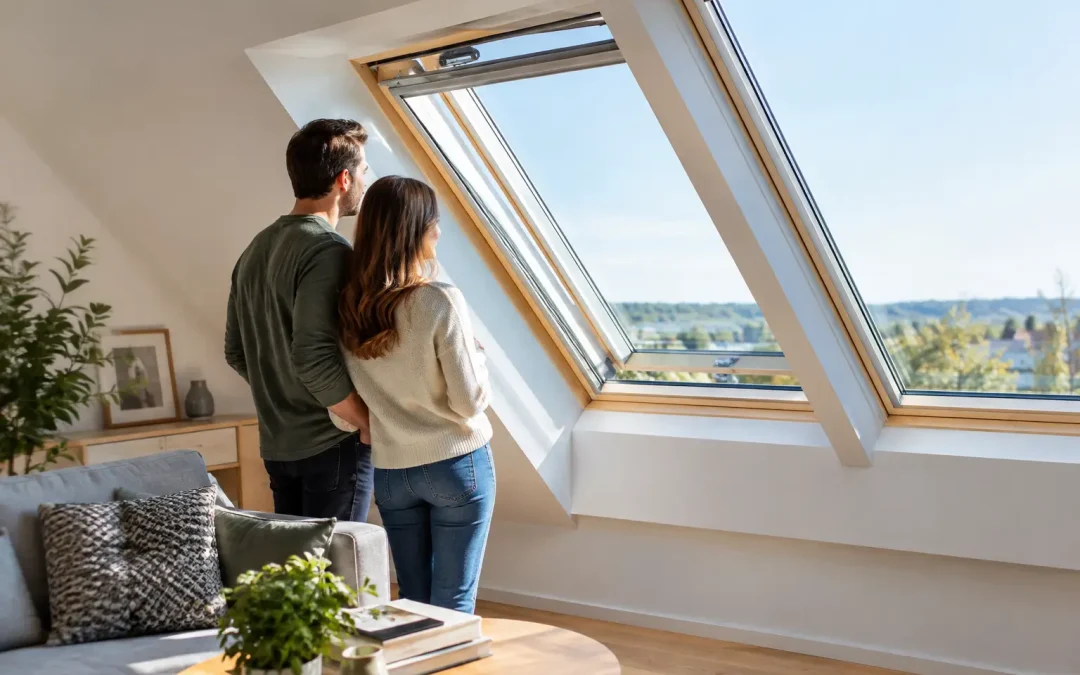
A roof window can transform a dark loft, bedroom or landing, but the wrong choice can leave you with too much heat in summer, awkward operation or a view that feels disappointingly small. Knowing how to choose Velux windows means looking beyond the frame and choosing the right size, opening method, glazing and fitting approach for your home.
For homeowners across Leicestershire, a well-planned roof window is a practical upgrade. It brings useful daylight into rooms that may otherwise need lights on for much of the day, improves ventilation and can make an attic conversion or upper-floor room feel far more welcoming.
Start with the room and how you use it
The best Velux window for a bathroom will not always be the best choice for a loft bedroom, kitchen extension or stairwell. Begin by thinking about what the room needs most.
In a bedroom, blackout control, easy ventilation and strong thermal performance are often the priority. A bathroom needs moisture-resistant materials and simple opening for clearing steam. In a loft conversion used as a home office, natural light and a clear view out may matter more, particularly if you spend long periods in the room.
Consider where the window will sit in relation to furniture and floor level as well. A window positioned high on the roof may be ideal for bringing in light, but it could need a remote control or telescopic pole to operate comfortably. If it is within reach, a manual opening window can be a dependable and affordable option.
Choose the right window size and position
Size has a major effect on both daylight and appearance. A very small roof window can provide ventilation, but it may not make a noticeable difference to a gloomy room. Equally, installing the largest possible window is not always the answer if privacy, overheating or roof structure are concerns.
As a useful starting point, the glazed area should generally equal around 15 to 20 per cent of the room’s floor area if you want a bright, open feel. The exact choice depends on the roof pitch, the direction the roof faces and how much natural light the room already receives.
A taller window usually gives a better view when you are standing or seated, while a wider window spreads light across the room. In many properties, two smaller windows set apart can provide more even daylight than one large central unit. This can work particularly well in a loft bedroom or converted attic where the roof space is broad.
Position also matters. A north-facing roof receives softer, more consistent light, while south-facing windows can bring strong sunlight and welcome warmth in colder months. However, they may need blinds or solar-control glazing to keep the room comfortable during hot weather. East-facing windows receive morning sun, and west-facing ones can make a room warmer later in the day.
Pick an opening style that suits access
When deciding how to choose Velux windows, the opening mechanism is one of the most practical decisions. It affects how the window feels to use every day, how easily it can be cleaned and whether it will work around the layout of the room.
Centre-pivot windows are a popular choice because the sash rotates from the middle. They are straightforward to operate and can usually be turned for easier cleaning from inside. They work well where the window is fitted at a standard height and there is clear space beneath it.
Top-hung windows open outwards from the top, providing a more open view and a feeling of extra space. They can be an excellent option for a loft conversion where the window is low enough to reach. The trade-off is that furniture directly underneath may restrict access, so the room layout needs planning first.
For windows that are difficult to reach, electric or solar-powered operation may be worth considering. These options cost more than manual windows, but they are particularly useful on high ceilings, above stairs or in bathrooms. Rain sensors can close the window automatically when the weather turns, offering extra reassurance if you are out or busy downstairs.
Select a frame that fits the room
Velux roof windows are available with different internal finishes, most commonly painted timber or a white, moisture-resistant finish. Both can look smart, but the right choice depends on the environment.
Painted timber has a warm, traditional appearance and can suit bedrooms, studies and character properties. It does require occasional care to keep the finish looking its best. White polyurethane-coated windows have a smooth, wipe-clean surface and are well suited to bathrooms, kitchens and other humid areas. They are designed to cope with moisture without the need for regular painting.
Think about the rest of your interior too. A white finish can help a smaller room feel brighter, while timber may suit homes with exposed beams or a more classic style. Practical performance should come first, but there is no reason a roof window cannot complement the room as well.
Do not overlook glazing and energy performance
Good glazing makes a real difference to comfort. A roof window is more exposed to the weather than a vertical window, so it needs to hold heat effectively in winter while helping manage solar gain in summer.
Standard double glazing will suit many homes, but higher-performance options can be worthwhile if the room is used daily or the roof receives strong sun. Look for glazing that improves insulation, reduces external noise or limits overheating where needed.
Noise-reducing glazing can be a sensible investment near a busy road, flight path or railway line. If the room is south or west facing, solar-control glass can help reduce excessive heat and glare. For a loft bedroom, this can make the difference between a pleasant space and one that becomes uncomfortable during a warm spell.
It is also worth discussing ventilation. Many modern roof windows include a built-in ventilation flap or vent bar, allowing fresh air into the room even when the window is closed and secure. This is useful for controlling condensation, especially in bedrooms and bathrooms.
Plan blinds at the same time as the window
Blinds are not simply an optional extra. They can be essential for privacy, temperature control and a good night’s sleep. Choosing them at the same time as the roof window helps make sure they fit correctly and meet the needs of the room.
Blackout blinds are a popular choice for bedrooms and children’s rooms. Venetian or roller blinds can offer adjustable light control, while heat-reflecting blinds are useful where summer sun is a concern. External awning blinds can stop much of the sun’s heat before it reaches the glass, making them especially effective on south-facing roofs.
For bathrooms, choose materials that can cope with humidity. For hard-to-reach windows, electric blinds can save a lot of daily inconvenience. This is another area where spending a little more at the start can improve how the room works in the long term.
Make sure the roof and installation are right
Even a quality roof window will only perform properly if it is fitted correctly. The roof pitch, covering material and surrounding structure all affect which flashing kit and installation method are needed. Tiles, slate and flat roofing systems each require the right detailing to create a weatherproof finish.
A professional installer should check the roof condition before work begins. If felt, battens, tiles or flashing around the proposed opening are worn, it is usually better to address these issues at the same time rather than fitting a new window into a problem area.
Installation also needs to comply with building regulations, particularly where a window forms part of an attic conversion, provides an emergency escape route or affects insulation levels. Do not assume every roof window is suitable for emergency escape. The opening size, location and clear access all need to meet the relevant requirements.
Ask for a clear quotation that explains what is included: the window, flashing, internal finishing, insulation around the opening, making good and removal of waste. A low initial price can become less attractive if these essential parts are left out.
Balance your budget with long-term value
The cheapest window is not always the best value. A suitable size, good glazing and correct fitting can reduce heat loss, cut down on condensation and help the room feel more usable every day. Those benefits are worth considering alongside the upfront cost.
That said, there is no need to pay for features you will not use. A manually operated centre-pivot window may be all that is needed in an easy-to-reach spare room. In a high bathroom window or a south-facing loft bedroom, the extra cost of remote operation, rain sensing or solar-control glazing may be money well spent.
Before making a final choice, stand in the room at different times of day and think through how you will open, clean and shade the window. The right Velux window should bring more than daylight – it should make the space easier, brighter and more comfortable to live in for years to come.