
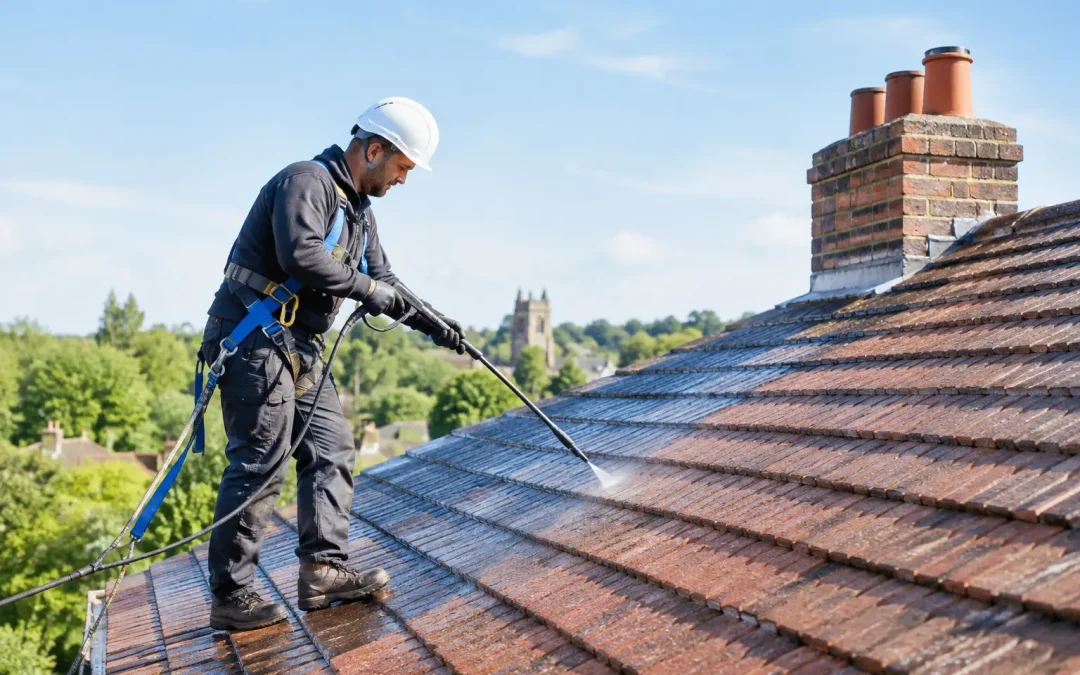
A loose tile after a windy weekend can look like a small job. Left through a wet Leicestershire winter, it can allow water into the roof space, stain ceilings, affect insulation and cause timber to deteriorate. That is why Leicestershire roof restoration should start with a proper look at the whole roof, not a quick fix to the part that is easiest to see from the ground.
For most homeowners, restoration does not automatically mean stripping off a sound roof and starting again. It means dealing with the areas that are worn, damaged or no longer protecting the property as they should. Sometimes that is a local repair. Sometimes it is a new flat roof, renewed fascias and guttering, or a conservatory roof that is making a room too hot in summer and cold in winter. The right answer depends on the age, condition and construction of your home.
What roof restoration really means
A roof is a system, not simply a covering of tiles or slates. Rainwater needs to run into clear gutters. Fascias and soffits need to protect the roof edge and support the guttering. Flashings around chimneys, roof junctions and valleys need to remain watertight. On flat roofs, the membrane needs to stay intact and securely finished at every edge.
Restoration is the work needed to bring that system back to a dependable condition. It may involve replacing slipped or cracked tiles, renewing failing mortar or leadwork, repairing a damaged section of felt or membrane, or replacing old timber roofline boards with low-maintenance uPVC. If water has been getting in, the inspection should also consider the roof space, insulation and any visible signs of damp.
There is a useful difference between a repair and restoration. A repair solves one clear fault, such as a broken tile. Restoration looks at why that fault appeared and whether nearby components are reaching the same point of failure. This can prevent repeated call-outs and helps homeowners spend money where it will make a lasting difference.
Signs your roof needs attention
Not every problem announces itself with a ceiling leak. Many roofs show early warning signs from outside, while the interior remains dry. Catching them early usually gives you more options and avoids the cost of repairing secondary damage.
Look out for tiles that have slipped, cracked or look uneven, as well as moss growth that is holding water against the roof surface. Gutters that overflow in ordinary rain can point to a blockage, a poor fall or loose brackets. Peeling paint, soft timber and dark marks on fascias and soffits often mean moisture has been reaching areas it should not.
Inside the property, a musty smell in the loft, damp insulation, daylight visible around roof coverings, or stains on upstairs ceilings all need prompt attention. Condensation can also be mistaken for a roof leak, particularly in poorly ventilated loft spaces. A professional inspection helps separate the two, so you do not pay for work that will not solve the problem.
Older conservatories deserve particular attention. A lightweight or tired roof can make the space uncomfortable for much of the year, even where there is no obvious leak. Replacing it with a properly insulated conservatory roof can improve comfort, reduce glare and help the room feel more usable across the seasons.
Repair, replacement or restoration?
The best option is not always the biggest job. If the roof covering is generally sound and damage is limited, a targeted repair can be sensible and cost-effective. Replacing a few tiles, securing flashing or repairing a localised flat-roof defect can extend the life of the wider roof when the surrounding materials remain in good order.
Replacement becomes a stronger option when faults are widespread, materials are brittle or repeatedly failing, or previous patch repairs have left several weak points. On a flat roof, for example, extensive cracking, ponding water or lifting around edges may mean a new system offers better value than further patching. A Firestone rubber roof is a practical choice for many flat-roof areas because it is designed for weather resistance and has fewer joins than some traditional coverings.
Roofline work can also be a major part of restoring protection to the home. Old timber fascias and soffits may look tired, but the bigger concern is rot. Once boards begin to soften, gutter fixings can become unreliable and water can reach the roof edge. Made-to-measure uPVC fascias, soffits and guttering provide a clean finish with far less ongoing maintenance than painted timber.
The key is to avoid making a decision based on appearance alone. A roof may look aged but remain structurally sound, while a roof that looks tidy from the driveway may have hidden water entry around a valley or chimney. A clear assessment should explain what is urgent, what can be monitored and what would be worth planning for in the future.
Why roofline and drainage matter so much
Gutters are often treated as a separate maintenance job, but they have a direct effect on the roof and walls. When water spills over a blocked or damaged gutter, it can soak the fascia board, run down brickwork and collect around doors, windows or foundations. During cold weather, trapped water can freeze and put extra strain on brackets and joints.
A good roof restoration plan checks that gutters are clear, correctly aligned and large enough to manage runoff. It also checks downpipes and joints, because a small leak at a connection can leave a constant damp patch on the wall below. Replacing a failing roofline at the same time as guttering is often more practical than returning later to disturb newly completed work.
This is especially worthwhile on properties with ageing timber boards. Covering over rotten timber is not a proper repair. Any soft or damaged material should be dealt with before new uPVC components are fitted. The finished job should look smart, but its real value is in protecting the roof edge from future water damage.
Choosing a contractor for Leicestershire roof restoration
Roof work is difficult for a homeowner to judge once it is complete, so trust and clear communication matter. Be wary of anyone who diagnoses major work from the pavement or pressures you to decide immediately. A dependable contractor should inspect the relevant areas, explain the condition in plain language and set out whether repair, replacement or maintenance is being recommended.
Ask what materials will be used, how the work will be finished around edges and junctions, and what workmanship cover is provided. It is also reasonable to ask whether the proposed work addresses the cause of the fault, rather than simply covering the visible symptom. A cheap patch that fails after the next period of heavy rain is rarely good value.
For homes across Ibstock, Coalville, Ashby and the wider county, a local family business also brings practical reassurance. It understands the area, relies on its reputation and remains accountable after the installation. Supreme Home Improvements combines more than 30 years in the trade with tailored exterior improvement work and a 10-year workmanship guarantee, giving homeowners a straightforward route to repair, replacement and roofline upgrades under one roof.
Protecting the work once it is complete
Even a newly restored roof benefits from basic care. Clear leaves from gutters and valleys, particularly after autumn, and keep an eye on areas below overhanging trees. Do not walk on roof tiles unless you know exactly what you are doing, as this can crack tiles or disturb flashings. If you notice an issue after a storm, take photographs safely from ground level and arrange an inspection rather than waiting for water marks to appear indoors.
Regular checks also make budgeting easier. You may not need a full renewal today, but knowing the condition of your roofline, flat roof or conservatory roof lets you plan work before an urgent leak forces the decision. A well-maintained roof is one of the simplest ways to keep your home dry, comfortable and looking after its value for years to come.