
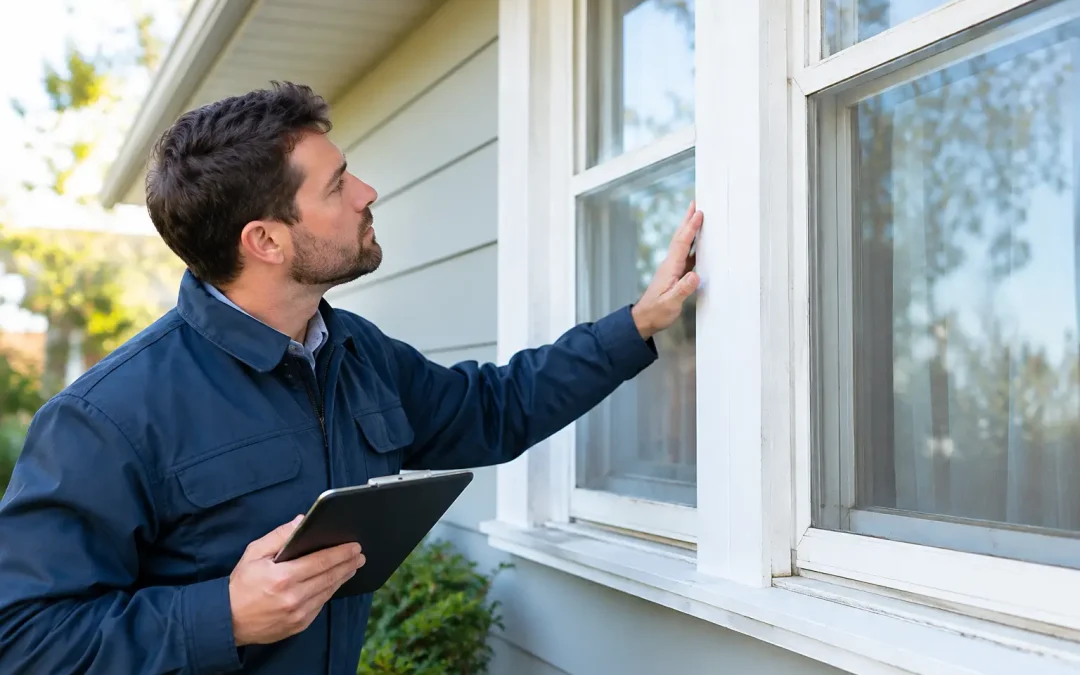
A cold spot beside the sofa, a bedroom that never quite feels quiet, or water running down the inside of the glass can all be more than minor annoyances. They are often the top signs windows need replacing. Older windows can gradually lose their ability to keep heat in, weather out and your home secure, so the problem is not always obvious until comfort and energy bills start to suffer.
For many homeowners, replacement is not about changing every window at the first sign of wear. A failed handle, hinge or seal may be repairable. But where there are several issues, or the frames and glazing are reaching the end of their working life, new made-to-measure uPVC double glazing can be the more sensible long-term investment.
You can feel draughts around closed windows
A properly fitted, closed window should not allow a noticeable stream of cold air into the room. Hold your hand near the opening sash, frame and window board on a windy day. If you can feel a draught, the seals may be worn, the hinges may no longer pull the sash in tightly, or the frame may have moved over time.
Draughts matter because your heating has to work harder to maintain a comfortable temperature. They can also make certain rooms feel chilly even when the thermostat is turned up. Replacing a rubber seal can sometimes solve a localised issue, particularly on a newer window. If several windows are draughty, difficult to close or visibly worn, replacement is usually worth considering.
Condensation is trapped between the panes
Condensation on the room-facing side of a window is common in kitchens, bathrooms and busy family homes, especially in winter. It often points to humidity and ventilation rather than a fault with the window itself. Opening trickle vents, using extractor fans and ventilating rooms can make a real difference.
Moisture or a cloudy appearance between the panes is different. It normally means the sealed unit has failed and moisture has entered the gap between the glass. This reduces the insulation performance of the glazing and spoils the view. In some cases, it is possible to replace the glass unit without replacing the full frame. However, if the frames are ageing or other faults are present, a complete window upgrade may offer better value.
Your rooms are harder and more expensive to heat
Windows are a major part of your home’s external envelope. Single glazing and tired early double glazing allow far more heat to escape than modern energy-efficient units. You may notice that rooms cool quickly after the heating goes off, that radiators are working constantly, or that the area near the windows feels much colder than the rest of the room.
Replacing inefficient windows will not remove every heat-loss issue in a property. Loft insulation, cavity walls, doors and draughts around the roofline also play a part. Yet well-fitted double-glazed windows are a practical improvement where the existing units are old, damaged or poorly performing. They can improve day-to-day comfort as well as help reduce wasted heat.
The windows stick, rattle or will not lock properly
A window that needs a hard shove to open or close is not just frustrating. It can be a warning that hinges, mechanisms, locks or frames are deteriorating. uPVC frames can expand slightly in hot weather, but persistent sticking through the year should be checked. Timber windows may swell, rot or require more extensive repair, while old metal frames can corrode.
Pay close attention to locking. If the handle turns without securing the sash, the key will not operate, or you have to force the window into position before it locks, do not leave it until later. A repair may be possible if the fault is confined to the mechanism. Where the frame is warped, the sash has dropped, or the locking points no longer line up, replacement is often the safer option.
Cracked glass or damaged frames are getting worse
Small chips in glass can sometimes be assessed and repaired, but cracks should never be ignored. They can spread with changes in temperature or movement, compromising security and increasing the risk of breakage. Broken or misted double-glazed units should be dealt with promptly, particularly on ground-floor windows and doors.
Look beyond the glass as well. Crumbling seals, discoloured uPVC, warped frames, visible gaps, rot and flaking paint all affect how well a window performs. A little surface staining may be cosmetic, but soft timber, deep cracks or separating joints suggest water has already been getting in. Repainting over the damage will not resolve the underlying cause.
Outside noise is more noticeable than it used to be
Traffic, neighbours, aircraft and general street noise can become tiring when it is constantly noticeable indoors. Older single glazing provides limited sound reduction, while failed seals and gaps around the frame allow noise through even when the window is shut.
New double glazing can make a worthwhile difference, especially when it is fitted correctly and tailored to the opening. The result depends on the type of glazing, the size of any gaps and the source of the noise, so no installer should promise total silence. Even so, replacing loose or inefficient windows can make bedrooms, living rooms and home offices much calmer.
You see water ingress or staining around the opening
Damp patches on the wall around a window, peeling wallpaper, mould at the reveals or a wet window board after rain need investigation. The cause could be a failed seal, damaged external render, blocked drainage channels, defective guttering or an issue higher up the property. It is not always the window itself.
This is why a proper inspection matters before making a decision. Replacing windows without addressing faulty guttering, fascias or brickwork could allow the problem to return. On the other hand, where water is getting past tired frames or failed seals, replacement protects the surrounding structure before damage becomes more costly.
The appearance no longer reflects the rest of your home
Windows have a big effect on kerb appeal. Yellowed frames, mismatched replacements, dated opening styles and peeling finishes can make an otherwise well-kept property look tired. For homeowners improving a front door, roofline or conservatory, updating the windows can bring the whole exterior together.
Appearance should not be the only reason to replace sound windows, but it is a valid part of a home improvement decision. Modern uPVC windows are available in a range of colours, styles and glazing options, making it easier to match the character of the property without taking on the maintenance demands of older materials.
When repair is enough and when replacement makes sense
One isolated fault does not automatically mean you need new windows. A worn handle, broken hinge, damaged gasket or failed glass unit may be repairable where the frames are still secure, well-fitted and in good condition. This can be a sensible, affordable choice.
Replacement becomes more compelling when there is a combination of failed glazing, draughts, poor security, damaged frames and rising heating costs. It is also worth considering if replacement parts are no longer readily available or repairs would only postpone a larger problem. A clear assessment should explain the condition of each window, rather than treating every property the same.
For homeowners across Ibstock, Coalville, Leicester and the wider Leicestershire area, Supreme Home Improvements provides straightforward advice and made-to-measure window upgrades backed by experienced local workmanship. If your windows are showing more than one of these warning signs, arranging an inspection now can help you choose the right remedy before the next cold, wet spell puts the problem beyond a simple repair.