
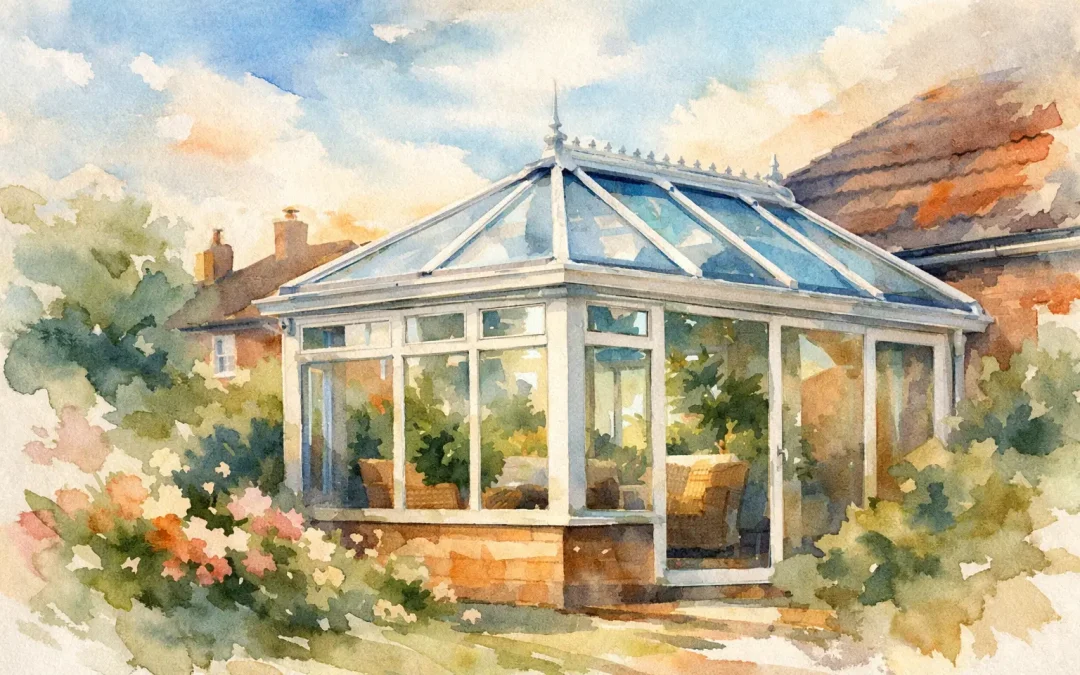
A conservatory should be a room you enjoy using, not a space you avoid once the weather changes. Many homeowners looking at Tamworth conservatory roof upgrades are dealing with the same frustrations: glaring heat in summer, a cold room in winter, rain noise overhead and furniture that fades in direct sunlight. Replacing the roof can make a real difference, often without the cost and disruption of rebuilding the whole conservatory.
The right upgrade depends on the condition and style of your existing conservatory, as well as how you want to use it. A light roof may suit a garden room where brightness is the main priority, while a solid insulated roof can be the better choice for a family room, home office or dining space used throughout the year.
When is a conservatory roof upgrade worth it?
An ageing polycarbonate roof is usually the first sign that an upgrade is worth considering. These roofs were widely fitted for years, but they offer limited insulation and can become noisy, discoloured or brittle over time. Even older glass roofs may leave a conservatory uncomfortably hot or cold if their glazing is no longer performing as it should.
You may also notice condensation, draughts around the roof line, rising heating bills or a room that is simply not being used enough. In many cases, the frames and base are still sound. Replacing just the roof gives the conservatory a new purpose while protecting the investment already made in the structure.
A roof upgrade is not always the answer, however. If the frames are badly damaged, the foundations have moved or there are persistent leaks from several areas, those issues need assessing first. A proper survey should establish whether the existing conservatory can safely support a replacement roof and whether any repairs are needed before installation.
Tamworth conservatory roof upgrades: choosing the right type
There is no one roof that suits every property. The best option comes down to how much natural light you want, the appearance of the house, the age of the conservatory and your budget.
Super insulated solid roofs
A super insulated conservatory roof is designed to turn a seasonal conservatory into a more comfortable room. It uses layers of insulation beneath a tiled or lightweight exterior finish, helping to reduce heat loss during colder months and limit overheating when the sun is strong.
This is often the preferred option for homeowners who want to use the room every day. The solid internal ceiling gives the space a more finished feel, and integrated ceiling lights can be included where suitable. Outside, the roof can be selected to complement the main property, creating a more natural extension-like appearance.
The trade-off is light. A fully solid roof will reduce the amount of daylight compared with clear glass or polycarbonate. This can be managed with well-positioned glazed panels or roof windows, but it is worth thinking about the direction your conservatory faces. A north-facing room may benefit from retaining more roof glazing than a bright south-facing conservatory.
Glass roof replacements
Modern glass can be a major step up from older conservatory glazing. Energy-efficient glass options can reduce glare and solar heat while retaining the open, bright feel many people value in a conservatory. They can be a good choice when the room already works well visually but needs better temperature control.
Glass is also useful where the conservatory is close to the house and losing natural light would affect the adjoining room. The result can feel lighter than a solid roof, although it will not usually provide the same level of insulation or rain-noise reduction as a super insulated tiled system.
Polycarbonate roof replacements
Polycarbonate remains a lower-cost option and can be suitable for some conservatories, particularly where budget is the main concern or the structure is used less frequently. Newer polycarbonate is generally better than old, thin sheets, but it is still less effective at controlling temperature and noise than glass or a solid insulated roof.
For a room you want to use as a proper living space, it is usually worth comparing the longer-term benefits of glass and solid roof systems before making a decision.
What changes will you notice after installation?
A good conservatory roof replacement is about more than appearance. The most noticeable improvement for many households is comfort. Better insulation helps the room hold onto warmth, which can make it more practical during autumn and winter. In summer, solar control and insulation can also reduce the greenhouse effect that makes some conservatories unbearable by midday.
Noise reduction is another major benefit. Heavy rain on an old polycarbonate roof can make conversation, television or a phone call difficult. An insulated roof can greatly soften this sound, making the room feel calmer and more private.
You may also find the conservatory becomes easier to furnish. With less glare and more stable temperatures, it is more realistic to add a sofa, dining table, children’s play area or desk without worrying that the room will be too hot, too cold or too bright for much of the year.
The details that make an upgrade last
The roof itself matters, but the surrounding work matters just as much. Flashings, guttering, roofline finishes and seals all need to be correctly fitted to keep water moving away from the property. A poorly finished edge can lead to damp, leaks and unnecessary repair costs later on.
Ventilation should also be considered. Even a well-insulated conservatory needs fresh air to help manage condensation and keep the room pleasant. Opening windows, trickle vents and suitable roof ventilation can all play a part, depending on the design.
If your gutters are overflowing, fascias are worn or the existing conservatory has poor drainage, it makes sense to address these at the same time. Having one local team look at the full external condition of the conservatory can avoid mismatched work and help protect the new roof properly.
Planning, building regulations and structural checks
Conservatory roof work can be straightforward, but it should never be treated as a simple cosmetic job. A replacement roof may be heavier than the original, especially when changing from polycarbonate to a solid tiled system. The existing frames, walls and foundations need to be capable of carrying the new load.
Requirements can vary depending on the property and the type of work involved. In some cases, building regulations approval may apply, particularly where a conservatory is being altered to function more like a permanent extension. Planning permission is less commonly required for a roof replacement, but listed homes, conservation areas and unusual property layouts can bring additional considerations.
A reputable installer will explain what applies to your home rather than making broad promises before inspecting the structure. This protects you from choosing a roof that looks good on paper but is not right for the conservatory you have.
Getting value from your conservatory roof investment
The cheapest quote is not always the most affordable in the long run. Look at the materials being used, whether the roof is made to measure, what preparation work is included and how the installation is guaranteed. A vague price that leaves out structural checks, internal finishes or guttering can quickly increase once work begins.
It is also sensible to ask how long the work is likely to take and whether you can continue using the room during installation. Most roof upgrades are far less disruptive than a full extension project, but clear expectations make the process easier for everyone.
Supreme Home Improvements provides made-to-measure conservatory roof solutions for homeowners in Tamworth and the surrounding area, with practical advice based on more than 30 years in the trade. As a family-run local business, the focus is on fitting a roof that suits the property, the budget and the way the room will actually be used.
A conservatory does not need to remain the room that only works for a few weeks each year. Start with an honest assessment of the structure, choose the right balance of warmth and daylight, and invest in workmanship that keeps the weather where it belongs – outside.