
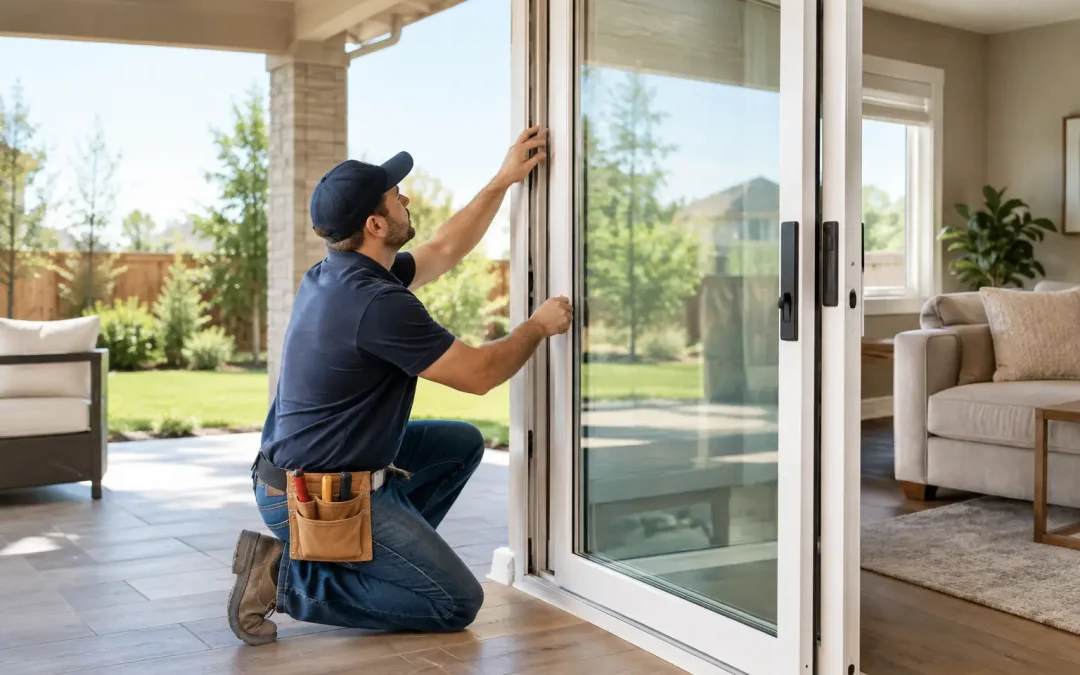
A patio door should make the garden feel like part of your home, not create a cold spot by the kitchen or a source of rainwater after every downpour. Proper patio door installation is about far more than putting a new door in an existing opening. The measurements, supporting structure, drainage and final adjustment all affect how secure, warm and reliable the finished door will be.
For homeowners across Leicestershire, replacing tired sliding doors or old French doors is often a practical upgrade. A well-fitted modern patio door can improve natural light, make daily access to the garden easier and help reduce draughts around the rear of the property. The difference comes from choosing the right door and having it fitted properly from the start.
Start With the Right Type of Patio Door
The best option depends on the opening, the room layout and how you use the space. Sliding patio doors are a popular choice where furniture or a narrow patio leaves little room for doors to swing outwards or inwards. They provide large glass areas and a clean, simple way to open up a kitchen, dining room or conservatory.
French doors suit many traditional homes and can give a wider, more open passage when both doors are folded back. They do need clear space to operate, so they are not always the best fit for a compact room. Bi-fold doors can create an impressive wide opening, but they are usually a larger investment and need particularly accurate fitting because of their multiple panels and moving parts.
The frame material matters too. uPVC patio doors are hard-wearing, low maintenance and often offer very good value. They work well for homeowners looking for a practical, made-to-measure replacement without taking on regular painting or upkeep. The right colour, handle finish and glazing option can also help the new door sit comfortably with your existing windows and exterior style.
Why a Survey Matters Before Patio Door Installation
A door may look straightforward on paper, but no two openings are exactly alike. Before any order is placed, the installer should measure the opening carefully and assess the surrounding brickwork, existing frame, internal finishes and external ground level.
This survey is where potential problems can be spotted early. The opening may not be square, the old frame may be hiding damaged timber or crumbling brickwork, or the patio level may be too high against the threshold. If these details are ignored, a new door can be difficult to operate or vulnerable to water getting in during heavy rain.
A proper survey also checks whether there is suitable support above the opening. If you are making the opening wider rather than replacing like for like, structural work and a correctly specified lintel may be required. This is not a job to guess at. The safest approach is to establish what the property needs before work begins, rather than finding costly issues halfway through the installation.
The Details That Keep Out Draughts and Water
A secure-looking door is not automatically a weather-tight one. The quality of the installation around the frame is just as important as the door itself. The frame must be level, plumb and firmly fixed, with enough room around it for proper insulation and sealing.
Fitters should avoid forcing a frame into an uneven opening simply to make it fit. Packers are used to position it accurately, and fixings should go into sound structure rather than weak mortar alone. Once the frame is secured, gaps need insulating and sealing internally and externally to prevent cold air and rain finding their way through.
The threshold deserves particular attention. Patio doors sit at a point where people walk in and out, and where surface water can collect. External drainage channels, correctly finished paving and the fall of the patio all influence how water behaves. A beautiful new door can still cause trouble if rainwater is directed straight towards its bottom track.
Sliding doors also need their drainage routes kept clear. Their tracks are designed to manage normal rainwater, but dirt, leaves and moss can block drainage holes over time. A quick clean as part of routine property maintenance helps the door continue to perform as it should.
Glazing, Security and Everyday Comfort
Modern double glazing can make a noticeable difference to comfort near the door, especially in rooms that previously felt chilly in winter. The best glazing specification depends on the orientation of the property and how the room is used. A south-facing kitchen with large areas of glass may benefit from glass that helps limit excess solar heat, while a shaded room may place more value on retaining warmth.
Security should be built into the choice as well. Look for strong locking points, secure handles and toughened safety glass where required. Patio doors are a main access point to the home, so smooth operation and secure locking should be checked before the installer leaves. A door should slide or close easily without needing to be lifted, pushed hard or slammed into place.
What Happens on Installation Day
For a straightforward replacement, much of the work can often be completed in a day, although larger openings, structural alterations or repairs to surrounding brickwork may take longer. The old door and frame are removed carefully, the opening is prepared, and the new made-to-measure frame is fitted before the glazed panels are installed and adjusted.
There will be some noise, dust and movement around the work area, particularly when the old frame is being taken out. Clearing nearby furniture and keeping children and pets away from the area makes the day safer and easier. Your installer should protect the immediate workspace as far as practical and explain any unexpected issue before extra work is carried out.
At the end, ask to see how the locks work, how to use any trickle vents and how to clean the tracks. Open and close the door yourself. Check the sightlines around the frame, inspect the seals and make sure the panels move freely. Small adjustments are normal during fitting, but they should be completed before the job is signed off.
Building Regulations and Choosing a Trusted Installer
Replacement external doors with glazing need to meet current building regulations, including rules around energy efficiency and safety glass. A competent installer will explain how compliance is handled and provide the relevant paperwork after the work is complete. Keep this with your house documents, as it can be useful when you come to sell the property.
Price is naturally important, but the cheapest quote is not always the best value. Compare what is included: removal of the old door, making good around the opening, waste disposal, glazing specification, locks, trims and any guarantee. A vague quote can leave room for unwelcome extras later.
A local, experienced company is often easier to deal with if you need advice before the work or support afterwards. Supreme Home Improvements provides made-to-measure doors and practical installation advice for homeowners who want a dependable result, backed by more than 30 years in the trade and a 10-year workmanship guarantee.
Looking After Your New Patio Door
Once fitted, a patio door needs very little attention, but a few simple checks will protect its lifespan. Clean the frame with warm soapy water rather than abrasive products, wipe the glass regularly, and vacuum the bottom track to remove grit. Check drainage slots are clear, especially after autumn weather.
If the door begins to catch, stick or feel less secure, do not wait for the problem to worsen. Early adjustment can prevent unnecessary wear on rollers, hinges, handles and locks. A properly chosen and carefully fitted patio door should give you years of easy access to the garden, better comfort indoors and reassurance whenever the weather turns.